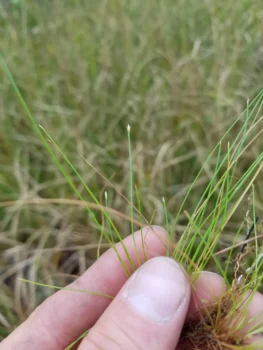
Baldwin’s Spikerush: A Charming Native Sedge for Wet Gardens
If you’re looking to add some delicate, grass-like texture to your rain garden or pond edge, meet Baldwin’s spikerush (Eleocharis baldwinii). This charming little native sedge might not win any flashy flower contests, but it’s got something better – it’s a hardworking, low-maintenance plant that thrives where many others fear to tread: in consistently wet soil.
What Is Baldwin’s Spikerush?
Baldwin’s spikerush is a perennial sedge native to the southeastern United States. Don’t let the name fool you – it’s not actually a rush, but rather a member of the sedge family. This graminoid (grass-like plant) forms neat little tufts of thin, upright stems that sway gracefully in the breeze. While it may look delicate, this tough little plant is perfectly adapted to life in wet places.
You might also see this plant listed under its botanical synonyms Eleocharis capillacea or Eleocharis prolifera in older gardening references, but Eleocharis baldwinii is the currently accepted name.
Where Does It Grow Naturally?
Baldwin’s spikerush calls the southeastern United States home, naturally occurring in Alabama, Florida, Georgia, Louisiana, Mississippi, North Carolina, South Carolina, Texas, and Virginia. It’s particularly fond of coastal plain regions where wet, marshy conditions are common.
- Species observed
- No observations
Why Plant Baldwin’s Spikerush?
Here are some compelling reasons to consider this native sedge for your garden:
- Native plant benefits: As a native species, it supports local ecosystems and requires no fertilizers or pesticides
- Wetland specialist: Perfect for problem wet spots in your yard where other plants struggle
- Low maintenance: Once established, it pretty much takes care of itself
- Textural interest: Adds fine, delicate texture that contrasts beautifully with broader-leaved plants
- Erosion control: Helps stabilize soil around water features
Garden Design Ideas
Baldwin’s spikerush shines in specific garden settings:
- Rain gardens: Excellent for managing stormwater runoff
- Bog gardens: Creates natural-looking wetland plantings
- Pond margins: Softens hard edges around water features
- Native plant gardens: Adds authentic regional character
- Restoration projects: Ideal for recreating natural wetland habitats
Growing Conditions
The key to success with Baldwin’s spikerush is understanding its love affair with water:
- Moisture: Requires consistently wet soil; can handle periodic flooding
- Light: Thrives in full sun to partial shade
- Soil: Adaptable to various soil types as long as they stay moist
- Climate: Hardy in USDA zones 8-10
Special Wetland Status
Baldwin’s spikerush is classified as an Obligate Wetland plant in most regions, meaning it almost always occurs in wetlands. In the Great Plains region, it’s considered Facultative Wetland, usually found in wet areas but occasionally in drier spots. This wetland designation makes it perfect for rain gardens and other water management landscaping.
Planting and Care Tips
Getting started with Baldwin’s spikerush is refreshingly straightforward:
- Planting time: Spring is ideal for establishment
- Spacing: Plant in small groups for natural-looking colonies
- Watering: Keep soil consistently moist; this plant cannot tolerate drought
- Maintenance: Minimal care needed once established
- Spread: Can gradually spread via underground rhizomes to form colonies
Wildlife and Ecosystem Benefits
While Baldwin’s spikerush is wind-pollinated and doesn’t attract showy butterflies or hummingbirds, it plays an important role in wetland ecosystems. It provides habitat structure for small wildlife and contributes to the overall health of native plant communities.
Is Baldwin’s Spikerush Right for Your Garden?
This native sedge is perfect for gardeners who:
- Have consistently wet or boggy areas in their landscape
- Want to create authentic native plant gardens
- Are working on rain garden or stormwater management projects
- Appreciate subtle, naturalistic plantings over flashy displays
- Live in the southeastern United States within its native range
However, Baldwin’s spikerush might not be the best choice if you have dry garden conditions, live outside its hardiness range, or prefer plants with showy flowers.
For gardeners in the right climate with wet garden spots, Baldwin’s spikerush offers a wonderful opportunity to work with nature rather than against it, creating beautiful, functional plantings that celebrate the unique character of southeastern wetlands.