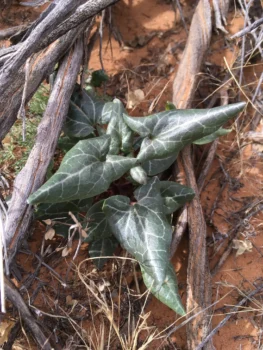
Balloonbush: A Mysterious Southwest Native Worth Knowing
If you’re a native plant enthusiast who loves discovering hidden gems, let me introduce you to balloonbush (Epixiphium wislizeni) – a charming perennial that’s flying under the radar in most gardening circles. This little-known native might not be filling up nursery shelves anytime soon, but it represents the fascinating diversity of our southwestern flora.
What Exactly is Balloonbush?
Balloonbush is a perennial forb – basically a non-woody flowering plant that comes back year after year. Unlike shrubs or trees, this native stays relatively low to the ground and puts its energy into herbaceous growth rather than developing woody stems. You might also see it listed under some tongue-twisting historical names like Maurandya wislizeni or Asarina wislizeni, but don’t let that scare you off!
Where Does Balloonbush Call Home?
This native beauty has chosen some pretty spectacular real estate for its natural habitat. Balloonbush is native to the southwestern United States, specifically found growing wild in Arizona, New Mexico, and Texas. It’s perfectly adapted to the unique conditions of this region, making it a true child of the American Southwest.
- Species observed
- No observations
The Mystery Plant Challenge
Here’s where things get interesting (and a bit frustrating): balloonbush is one of those native plants that hasn’t made it into mainstream horticulture yet. While we know it’s a hardy perennial native to the Southwest, detailed information about its growing requirements, mature size, and garden behavior is surprisingly scarce. This isn’t uncommon with lesser-known natives – sometimes the most fascinating plants are the ones that haven’t been discovered by the gardening world yet.
Why Consider Growing Native Plants Like Balloonbush?
Even though we don’t have a complete growing guide for balloonbush, there are compelling reasons to be interested in plants like this:
- Water wise: Southwest natives are typically drought-tolerant once established
- Low maintenance: Plants adapted to harsh conditions usually need minimal fussing
- Supports local ecosystems: Native plants provide food and habitat for local wildlife
- Unique character: You won’t find this in every suburban landscape
The Reality Check
Let’s be honest – balloonbush probably isn’t going to be your go-to plant for that front yard makeover. With limited availability and scarce growing information, it’s more of a plant for serious native plant collectors or restoration projects. If you’re lucky enough to encounter it in the wild or find it through a specialty native plant society, consider yourself part of an exclusive club!
Better-Known Southwest Native Alternatives
If balloonbush has piqued your interest in southwestern natives but you want something more readily available, consider these fantastic alternatives:
- Desert Marigold: Cheerful yellow blooms and extreme drought tolerance
- Penstemon species: Stunning flower spikes that pollinators adore
- Desert Willow: Graceful tree with orchid-like flowers
- Brittlebush: Silver foliage and bright daisy flowers
The Bottom Line
Balloonbush represents something special in the native plant world – a reminder that there are still botanical mysteries waiting to be better understood and appreciated. While it might not be the easiest plant to find or grow, it symbolizes the incredible diversity of our native flora and the importance of preserving these lesser-known species.
If you’re passionate about southwest natives and happen to come across balloonbush, consider yourself lucky to witness one of nature’s more secretive performers. And who knows? Maybe you’ll be one of the gardeners who helps bring this mysterious native into wider cultivation, adding your own chapter to its story.