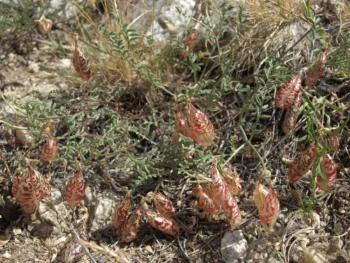
Balloonpod Milkvetch: A Hidden Gem for Western Native Gardens
If you’re looking for a drought-tolerant native plant that’s as tough as it is charming, let me introduce you to balloonpod milkvetch (Astragalus whitneyi var. whitneyi). This lesser-known perennial might not be the flashiest plant in your garden, but what it lacks in fame, it makes up for in resilience and ecological value.
What Makes Balloonpod Milkvetch Special?
This native beauty is a true Westerner, calling the mountains of California and Nevada home. As a member of the legume family, balloonpod milkvetch has that classic pea-flower look that pollinators absolutely adore. The small purple to pink blooms appear in clusters, creating a delicate display that’s perfect for gardeners who appreciate subtle beauty over showy spectacle.
What really sets this plant apart is its incredible drought tolerance. Once established, it thrives in conditions that would leave other plants gasping for water. This makes it an excellent choice for water-wise gardening and xeriscaping projects.
Where Does It Grow Naturally?
Balloonpod milkvetch is native to the lower 48 states, specifically found growing wild in California and Nevada. In nature, you’ll typically find it clinging to rocky slopes and sandy areas in mountainous regions, where it has adapted to harsh conditions and sporadic rainfall.
- Species observed
- No observations
Perfect for These Garden Styles
This hardy perennial shines in several garden settings:
- Rock gardens where its compact form fits perfectly among stones
- Native plant gardens celebrating regional flora
- Drought-tolerant landscapes requiring minimal irrigation
- Wildlife gardens designed to support local pollinators
- Naturalized areas mimicking wild mountain habitats
Growing Conditions and Care
The good news is that balloonpod milkvetch isn’t fussy once you understand its preferences. This mountain native thrives in USDA hardiness zones 6-9, making it suitable for many western gardening locations.
Here’s what this tough little plant needs to flourish:
- Soil: Well-draining soil is absolutely critical – think sandy or rocky rather than clay
- Water: Minimal once established; overwatering is more dangerous than drought
- Sun: Full sun to partial shade
- Spacing: Allow room for its natural spreading habit
Planting and Care Tips
Getting balloonpod milkvetch established requires a bit of patience, but the payoff is worth it. Plant in fall or early spring when temperatures are cooler. The key to success is creating drainage – if your soil holds water, consider raised beds or adding gravel and sand to improve drainage.
During the first year, provide occasional deep watering to help roots establish. After that, this self-sufficient plant will largely take care of itself. In fact, the biggest mistake you can make is overwatering or overfertilizing – this mountain native prefers life on the lean side.
Benefits for Wildlife and Pollinators
Like many native legumes, balloonpod milkvetch is a pollinator magnet. Native bees, in particular, are drawn to its protein-rich pollen and nectar. By planting this species, you’re supporting local bee populations and other beneficial insects that play crucial roles in healthy ecosystems.
The plant also contributes to soil health through nitrogen fixation – a natural process where legumes partner with bacteria to add nitrogen to the soil, benefiting neighboring plants.
Why Choose This Native?
In an era of water conservation and sustainable gardening, balloonpod milkvetch offers exactly what forward-thinking gardeners need: a beautiful, low-maintenance native that supports local wildlife while requiring minimal resources. It’s particularly valuable for gardeners in western states who want to create landscapes that reflect and support their local ecosystems.
While it may not be as readily available as more common natives, seeking out balloonpod milkvetch for your garden is a way to grow something truly special – a plant that connects your landscape to the wild mountain habitats of the American West.