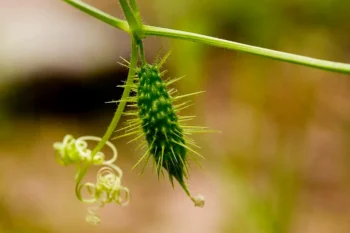
Balsam Apple (Echinopepon): A Mysterious Native Worth Exploring
If you’re the type of gardener who loves a good botanical mystery, then balsam apple might just pique your interest. This lesser-known native plant belongs to the cucumber family and represents one of those fascinating species that quietly calls the American Southwest home.
What Is Balsam Apple?
Balsam apple (Echinopepon) is an annual forb—essentially a soft-stemmed plant without woody tissue that completes its entire life cycle in one growing season. As a member of the Cucurbitaceae family, it’s related to more familiar garden favorites like cucumbers, squash, and melons, though it’s considerably more enigmatic than its popular cousins.
Where You’ll Find It Growing Wild
This native beauty has carved out its niche in just three southwestern states: Arizona, New Mexico, and Texas. It’s a true regional specialist, adapted to the unique conditions of this area.
- Species observed
- No observations
Should You Grow Balsam Apple?
Here’s where things get interesting—and a bit challenging. Balsam apple falls into that category of native plants that are fascinating from a botanical perspective but practically mysterious when it comes to home cultivation. Here’s what you should consider:
The Pros:
- It’s genuinely native to the American Southwest
- As an annual, it won’t take over your garden permanently
- It’s part of our regional botanical heritage
- Perfect conversation starter for plant nerds
The Challenges:
- Very limited cultivation information available
- Seeds or plants are extremely difficult to source
- Growing requirements are not well documented
- Success rates for home gardeners are unknown
Growing Conditions (What We Think We Know)
Since balsam apple is native to Arizona, New Mexico, and Texas, we can make some educated guesses about its preferences:
- Likely prefers well-draining soils
- Probably drought-tolerant once established
- May need hot summers to complete its life cycle
- Could be sensitive to overwatering
However, these are educated assumptions based on its native range rather than documented cultivation experience.
The Reality Check
Let’s be honest—balsam apple is more of a botanical curiosity than a practical garden choice for most home gardeners. The lack of available seeds, plants, or detailed growing information makes it a challenging proposition even for experienced native plant enthusiasts.
Better Southwestern Native Alternatives
If you’re drawn to the idea of growing native annual plants in the Southwest, consider these more accessible options:
- Desert marigold (Baileya multiradiata)
- Ghost plant (Graptopetalum paraguayense)
- Desert lupine (Lupinus sparsiflorus)
- Prickly poppy (Argemone pleiacantha)
Final Thoughts
Balsam apple represents one of those intriguing native plants that reminds us how much we still have to learn about our local flora. While it might not be the most practical choice for your garden right now, it’s worth keeping on your radar. Who knows? As interest in native plants continues to grow, we might see more cultivation information and availability in the future.
For now, if you’re lucky enough to encounter balsam apple in its native habitat during your southwestern adventures, take a moment to appreciate this botanical mystery in its natural setting. Sometimes the best way to enjoy a rare native plant is simply to admire it where it belongs.