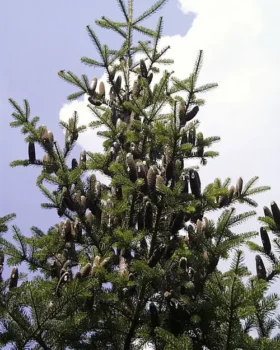
Balsam Fir: The Quintessential Northern Christmas Tree for Your Landscape
If you’ve ever dreamed of having that perfect Christmas tree growing right in your backyard, meet the balsam fir (Abies balsamea). This native North American conifer brings the magic of the northern woods to your landscape with its classic pyramid shape, fragrant needles, and undeniable charm that lasts all year long.
A True Native with an Impressive Range
Balsam fir is a proud native species across a vast swath of North America, naturally occurring throughout Canada and extending into the northern United States. You’ll find this beauty thriving from Alberta to Newfoundland in Canada, and from Maine to Minnesota in the U.S., with populations scattered through states like Connecticut, Massachusetts, Michigan, Pennsylvania, and many others in between.
- Species observed
- No observations
This impressive geographical distribution speaks to the balsam fir’s importance in North American forest ecosystems, where it’s been growing for thousands of years as a cornerstone species of the boreal forest.
What Makes Balsam Fir Special
The balsam fir is a perennial tree that can reach an impressive 60 feet at maturity, though you’ll see it growing slowly at about 18 feet after 20 years. Its single-stemmed growth creates that perfect conical Christmas tree shape we all recognize and love. The dense, dark green foliage with silvery undersides creates beautiful contrast, especially when the wind catches the branches.
But here’s what really sets this tree apart: the fragrance. Those medium-textured needles release that distinctive balsamic scent that instantly transports you to a pristine northern forest. It’s like having your own personal aromatherapy session every time you walk by!
Perfect for Cool Climate Gardens
If you’re gardening in USDA hardiness zones 3-5, you’ve hit the balsam fir jackpot. This tree absolutely thrives in cooler climates and can handle temperatures as low as -43°F. However, it’s not the best choice for warmer regions – this northern beauty prefers to keep things cool.
Balsam fir works wonderfully as:
- A stunning specimen tree for larger properties
- Part of a natural windbreak or privacy screen
- The centerpiece of a woodland or naturalistic garden
- Winter interest in your landscape design
Growing Conditions: Keep It Cool and Moist
Think northern forest when planning for your balsam fir. This tree has some specific preferences that mirror its natural habitat:
Soil: Balsam fir is wonderfully adaptable to different soil textures – whether you have coarse, medium, or fine-textured soil, it can work. The key is maintaining that slightly acidic pH between 4.0 and 6.0. It also appreciates medium fertility levels.
Moisture: Here’s where things get important – this tree has low drought tolerance. It needs consistent moisture and prefers areas that receive between 13-60 inches of precipitation annually. The wetland status varies by region, but generally, it can handle both wetland and non-wetland conditions, with a preference for consistently moist soil.
Light: One of the balsam fir’s superpowers is its shade tolerance. While it grows best in full sun, it can handle partial shade much better than many other conifers.
Planting and Care Tips
Ready to add a balsam fir to your landscape? Here’s how to set it up for success:
Timing: Plant in early spring or fall when temperatures are cool. The tree needs at least 80 frost-free days but prefers cooler growing seasons.
Spacing: Give your balsam fir room to spread – plant 300-1,200 trees per acre if you’re doing multiple plantings, but for home landscapes, ensure at least 15-20 feet from other large trees.
Establishment: Seeds require cold stratification, so if you’re growing from seed, plan accordingly. However, balsam fir is routinely available as nursery stock and can be planted from containers or bare root.
Ongoing Care: Keep the soil consistently moist, especially during dry spells. Mulching around the base helps retain moisture and regulate soil temperature. Avoid heavy pruning – this tree naturally maintains its beautiful shape.
Important Conservation Note
While balsam fir thrives throughout most of its range, it’s worth noting that in New Jersey, this species is listed as endangered with an S1 rarity status. This means it’s critically rare in that state. If you’re in New Jersey or other areas where balsam fir is uncommon, make sure to source your trees from reputable nurseries that use responsibly collected genetic material.
Wildlife and Ecological Benefits
Balsam fir might not be a pollinator magnet (it’s wind-pollinated), but it provides incredible value to wildlife. The dense foliage offers shelter for birds, and the seeds feed various wildlife species. As a native species, it supports local ecosystems in ways that non-native alternatives simply cannot match.
The tree’s role in forest succession and its ability to grow in both wetland and upland conditions make it an ecological powerhouse that supports biodiversity.
Is Balsam Fir Right for Your Garden?
Balsam fir is perfect for you if you:
- Garden in zones 3-5 with cool, moist conditions
- Have space for a medium to large tree (remember, 60 feet at maturity!)
- Want that classic evergreen look with amazing fragrance
- Prefer native plants that support local ecosystems
- Don’t mind a slower-growing tree that’s worth the wait
However, skip the balsam fir if you’re in warmer climates, have limited space, or can’t provide consistent moisture. This tree’s low drought tolerance means it’s not suitable for xeriscaped or low-water gardens.
When grown in the right conditions, balsam fir rewards you with decades of natural beauty, wonderful fragrance, and the satisfaction of growing a true piece of North American forest heritage. Just remember to source responsibly, especially in areas where it’s rare, and give it the cool, moist conditions it craves.