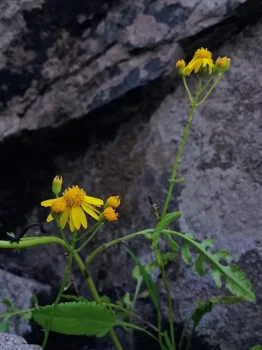
Balsam Groundsel: A Hardy Native Wildflower for Every Garden
Looking for a resilient native wildflower that can handle whatever Mother Nature throws at it? Meet balsam groundsel (Packera paupercula), a cheerful perennial that’s been quietly thriving across North America long before any of us started fussing over our flower beds. This unassuming little powerhouse might just be the perfect addition to your native plant collection.
What Makes Balsam Groundsel Special?
Balsam groundsel is a true North American native, calling home to an impressive range that stretches from Alaska all the way down to Florida and everywhere in between. You’ll find this adaptable plant growing naturally in states and provinces including Alberta, Alaska, British Columbia, Colorado, Connecticut, Florida, Maine, Michigan, Montana, New York, Ontario, Quebec, and many more. It’s like the ultimate frequent flyer of the plant world!
- Species observed
- No observations
As a perennial forb (that’s fancy talk for a non-woody herbaceous plant), balsam groundsel forms neat basal rosettes of leaves and sends up cheerful clusters of small, bright yellow daisy-like flowers in late spring to early summer. The blooms might be modest in size, but they pack a punch when it comes to early-season color and pollinator appeal.
Why Your Garden Will Love Balsam Groundsel
Here’s where this plant really shines – it’s incredibly versatile when it comes to growing conditions. Balsam groundsel has what botanists call facultative to facultative wetland status across different regions, which basically means it’s happy in both wet and moderately dry conditions. Think of it as the easygoing friend who’s up for anything, whether you want to plant it in a rain garden or a regular border.
The plant thrives in USDA hardiness zones 3-8, making it suitable for most of the continental United States and southern Canada. Whether you’re gardening in the chilly north or dealing with more moderate climates, this tough little native can handle it.
Perfect Spots for Planting
Balsam groundsel is particularly well-suited for:
- Woodland gardens and naturalized areas
- Native plant gardens and prairie restorations
- Rain gardens and bioswales
- Areas with inconsistent moisture levels
- Early spring pollinator gardens
Growing Balsam Groundsel Successfully
The best part about growing balsam groundsel? It’s refreshingly low-maintenance. This native adapts well to various soil types and moisture levels, though it generally prefers moist conditions and can handle partial shade to full sun exposure.
Plant balsam groundsel in spring or fall, giving it space to spread naturally through underground rhizomes – this is how it creates those lovely naturalized drifts in the wild. Water regularly during the first growing season to help establish roots, but once settled, it’s quite drought-tolerant.
The plant will typically reach about 12-18 inches in height and spread slowly to form small colonies over time. This makes it excellent for filling in gaps in woodland gardens or creating natural-looking groundcover.
Supporting Pollinators and Wildlife
As an early bloomer, balsam groundsel provides crucial nectar sources when many other flowers are still sleeping off winter. Native bees, butterflies, and other beneficial insects appreciate these early-season yellow blooms, making your garden an important pit stop in their seasonal journey.
A Word About Responsible Gardening
While balsam groundsel is generally common across its range, it’s worth noting that in New Jersey, this species has a rarity status of Highlands Listed, S3, meaning it’s considered vulnerable in that region. If you’re gardening in New Jersey or other areas where the plant might be uncommon, make sure to source your plants from reputable native plant nurseries rather than wild-collecting.
The Bottom Line
Balsam groundsel might not win any flashy flower contests, but it’s exactly the kind of reliable, eco-friendly plant that makes native gardening so rewarding. It’s tough, adaptable, supports local wildlife, and asks for very little in return – just the kind of garden companion we all need more of. Whether you’re creating a rain garden, establishing a woodland border, or simply want to add some native character to your landscape, balsam groundsel deserves a spot on your plant list.
After all, in a world of high-maintenance garden divas, sometimes the most beautiful thing is a plant that simply thrives where you put it and quietly does its job of supporting the local ecosystem. Now that’s what we call garden gold.