The Banded Trinity: A Ghost Plant That May Be Gone Forever
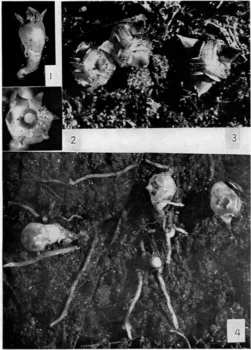
Meet one of North America’s most mysterious and elusive native plants: the banded Trinity (Thismia americana). This tiny, almost otherworldly plant represents one of botany’s greatest mysteries and conservation challenges. If you’re thinking about adding this species to your garden, I have some important news that might surprise you.
What Makes the Banded Trinity So Special?
The banded Trinity is a fascinating annual forb that belongs to a rare group of plants called mycoheterotrophs. Unlike most plants that create their own food through photosynthesis, this little oddball gets all its nutrients by partnering with fungi in the soil. It’s essentially nature’s version of a freeloader – but in the most interesting way possible!
This herbaceous plant lacks the typical green leaves we associate with most flora. Instead, it produces small, pale, almost translucent flowers that peek just above the ground surface. The entire plant is so small and inconspicuous that you could easily walk right past it without noticing.
Where Does It Call Home?
Historically, the banded Trinity was native to Illinois, specifically found in the Chicago area. This makes it one of the most geographically restricted native plants in the United States. Its entire known range was limited to a tiny pocket of prairie habitat in the Midwest.
- Species observed
- No observations
The Conservation Reality Check
Here’s where things get serious, fellow gardeners. The banded Trinity has a Global Conservation Status of SH, which means Possibly Extirpated. In plain English, this plant is known only from historical records and may already be extinct. Scientists haven’t seen a living specimen in decades, despite extensive searching.
This extremely rare status means that even if you could find seeds or plants (which you can’t), attempting to grow or collect this species would be both impossible and irresponsible.
Why You Can’t Grow the Banded Trinity
Even setting aside conservation concerns, there are several practical reasons why the banded Trinity isn’t suitable for home cultivation:
- It requires incredibly specific fungal partnerships that don’t exist in typical garden soils
- The plant depends on undisturbed prairie ecosystems that are nearly impossible to replicate
- No known propagation methods exist for home gardeners
- Seeds and plants are not available through any legitimate sources
- Its specialized growing conditions cannot be recreated in residential landscapes
What This Means for Native Plant Enthusiasts
While we can’t bring the banded Trinity into our gardens, we can honor its legacy by supporting prairie conservation efforts and growing other native Illinois plants that share similar habitats. Consider planting native prairie species that once grew alongside this mysterious plant.
The story of the banded Trinity serves as a powerful reminder of how fragile our native ecosystems can be. Urban development and habitat destruction in the Chicago area likely contributed to this plant’s disappearance, making it a cautionary tale for modern conservation efforts.
Supporting Conservation Instead
Rather than trying to grow what we’ve likely lost, channel your passion for native plants into supporting organizations working to preserve remaining prairie habitats. Every native plant we successfully grow in our gardens helps support the web of life that species like the banded Trinity depended on.
The banded Trinity may be gone, but its story doesn’t have to be the end. By choosing other native plants and supporting habitat conservation, we can help prevent future botanical mysteries from slipping away into extinction.