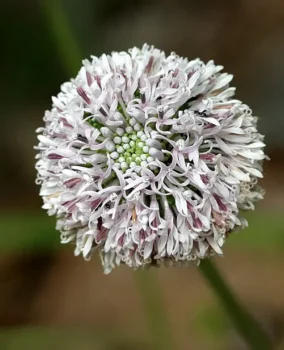
Barbara’s Buttons: A Charming Native Wildflower for Your Garden
If you’re looking for a delightful native wildflower that adds subtle charm to your landscape while supporting local ecosystems, meet Barbara’s buttons (Marshallia). This unassuming perennial might not be the showiest plant in the garden center, but it has a quiet beauty and ecological value that makes it a wonderful addition to naturalized spaces.
What Are Barbara’s Buttons?
Barbara’s buttons is a native perennial forb that belongs to the sunflower family. As a forb, it’s an herbaceous plant without woody stems, producing fresh growth from its base each year. The plant gets its charming common name from its distinctive button-like flower heads that sit atop slender stems like tiny pincushions.
Where Barbara’s Buttons Call Home
This lovely wildflower is truly American, native to 18 states across the lower 48. You’ll find Barbara’s buttons naturally growing from the Southeast through parts of the Midwest and South-Central regions, including Alabama, Arkansas, Florida, Georgia, Kansas, Kentucky, Louisiana, Maryland, Mississippi, Missouri, North Carolina, Oklahoma, Pennsylvania, South Carolina, Tennessee, Texas, Virginia, and West Virginia.
- Species observed
- No observations
Why Plant Barbara’s Buttons?
There are several compelling reasons to consider adding Barbara’s buttons to your landscape:
- Native plant benefits: As a native species, it’s perfectly adapted to local growing conditions and supports regional ecosystems
- Pollinator friendly: The small, clustered flowers attract butterflies, native bees, and other beneficial insects
- Low maintenance: Once established, this perennial requires minimal care and can handle drought conditions
- Natural beauty: The delicate, button-like flowers add texture and subtle color to wildflower gardens
- Ecological value: Provides food and habitat for native wildlife
Perfect Spots for Barbara’s Buttons
Barbara’s buttons thrives in several garden settings:
- Native plant gardens and prairie restorations
- Naturalized areas and meadow gardens
- Woodland edges and transitional spaces
- Wildlife habitat gardens
- Low-maintenance landscape areas
Growing Conditions and Care
One of the best things about Barbara’s buttons is how easy-going it is. This adaptable native generally prefers:
- Sunlight: Full sun to partial shade
- Soil: Well-drained soils of various types
- Water: Drought tolerant once established, though appreciates occasional watering during dry spells
- Hardiness: Typically hardy in USDA zones 5-9
Planting and Establishment Tips
Getting Barbara’s buttons established in your garden is straightforward:
- Direct seed in fall for natural cold stratification
- Choose a location with good drainage to prevent root rot
- Allow space for the plant to naturalize and potentially self-seed
- Be patient – like many native perennials, it may take a season or two to become fully established
- Minimal fertilization needed; native plants often prefer lean soils
The Bottom Line
Barbara’s buttons may not be the flashiest flower in the garden, but it’s exactly the kind of steady, reliable native that forms the backbone of sustainable landscaping. If you’re creating habitat for pollinators, establishing a prairie garden, or simply want to add authentic native character to your landscape, this charming wildflower deserves serious consideration. Its combination of ecological benefits, low maintenance needs, and quiet beauty makes it a winner for gardeners who appreciate plants that work hard while asking for very little in return.