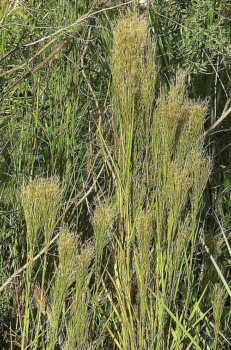
Barbas de Indio: A Tropical Grass for Warm Climate Gardens
If you’re gardening in Florida or other warm, humid climates and looking for an interesting ornamental grass, you might want to get acquainted with barbas de indio (Andropogon bicornis). This perennial grass brings a tropical flair to landscapes, though it comes with some considerations worth knowing about before you plant.
What is Barbas de Indio?
Barbas de indio, scientifically known as Andropogon bicornis, is a perennial grass that’s part of the larger family of grasses and grass-like plants. While it might not be the showiest plant in your garden, it has its own quiet charm and serves several practical purposes in the landscape.
Where Does It Come From?
Here’s where things get interesting: barbas de indio is native to Puerto Rico and the U.S. Virgin Islands, but it has made itself at home in Florida as a non-native species. It’s what botanists call naturalized – meaning it reproduces on its own in the wild without any help from gardeners. Currently, you’ll find it growing in Florida, Puerto Rico, and the Virgin Islands.
- Species observed
- No observations
Why You Might (Or Might Not) Want to Plant It
Let’s be honest about the pros and cons. On the positive side, barbas de indio is:
- Low maintenance once established
- Drought tolerant after it gets settled in
- Adaptable to different moisture levels (it can handle both wet and dry conditions)
- Suitable for naturalized areas where you want something that looks effortless
However, since it’s not native to most areas where it’s grown, you might want to consider native grass alternatives that would better support local ecosystems. Native grasses typically provide better habitat and food sources for local wildlife.
Growing Conditions and Care
If you decide to give barbas de indio a try, here’s what it needs to thrive:
Climate: This grass is happiest in USDA hardiness zones 9-11, so it’s really only suitable for the warmest parts of the United States.
Sun and Shade: It prefers full sun but can tolerate some partial shade, making it fairly flexible for different garden situations.
Soil: Not particularly picky about soil type, though good drainage is always appreciated.
Water: Here’s one of its best features – barbas de indio is quite adaptable when it comes to moisture. Its facultative wetland status means it can handle both wet and dry conditions, though it doesn’t need to be constantly soggy.
Landscape Uses
Barbas de indio works well in several landscape scenarios:
- Naturalized areas where you want low-maintenance ground cover
- Coastal landscapes (it handles salt spray reasonably well)
- Erosion control on slopes
- Background plantings where you need texture without drama
Wildlife and Pollinator Benefits
As a grass, barbas de indio is wind-pollinated rather than relying on bees or butterflies. While it may provide some habitat structure for small creatures, native grasses would generally offer more significant benefits to local wildlife populations.
Planting and Maintenance Tips
Getting barbas de indio established is fairly straightforward:
- Plant in spring or early fall when temperatures are moderate
- Water regularly until established (usually 6-8 weeks)
- Once established, it’s quite drought tolerant
- Minimal fertilization needed – too much can make it grow too vigorously
- Cut back in late winter if desired, though it’s not strictly necessary
The Bottom Line
Barbas de indio can be a useful plant for specific situations, especially if you need something low-maintenance for naturalized areas in warm, humid climates. However, before planting, consider whether a native grass species might serve your needs even better while providing greater ecological benefits. Your local native plant society or extension office can suggest excellent native alternatives that would thrive in your specific conditions while supporting local wildlife.
If you do choose to plant barbas de indio, you’ll find it to be an undemanding addition to the garden that quietly does its job without requiring much fuss – sometimes that’s exactly what a gardener needs!