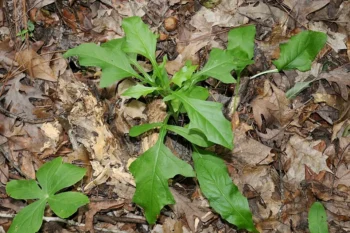
Barbed Rattlesnakeroot: A Rare Native Gem for Woodland Gardens
If you’re looking to add a touch of understated elegance to your woodland garden while supporting native biodiversity, barbed rattlesnakeroot (Prenanthes barbata) might just be the perfect addition. This unassuming perennial wildflower may not win any flashy flower contests, but what it lacks in showiness, it makes up for in ecological value and quiet charm.
What is Barbed Rattlesnakeroot?
Barbed rattlesnakeroot is a native perennial forb that belongs to the sunflower family. Don’t let the intimidating name fool you – this plant is completely harmless and gets its common name from the shape of its seed structures, not from any dangerous properties. As a forb, it’s an herbaceous plant without woody stems, making it a perfect complement to your woodland understory.
You might also encounter this plant listed under its botanical synonym, Prenanthes serpentaria var. barbata, in older gardening references or plant databases.
Where Does It Call Home?
This southeastern native has a relatively limited range, naturally occurring in Alabama, Arkansas, Georgia, Kentucky, Louisiana, Mississippi, Tennessee, and Texas. It thrives in the dappled sunlight and rich, moist soils of deciduous woodlands throughout these states.
- Species observed
- No observations
Important Conservation Note
Before you rush to add this plant to your garden, here’s something crucial to know: barbed rattlesnakeroot is considered vulnerable with a global conservation status of S3. This means it’s quite rare and local throughout its range. In Alabama, it’s even rarer with an S1S2 status, and Arkansas lists it as S2. If you’re interested in growing this plant, please only source it from reputable native plant nurseries that propagate their stock responsibly – never collect from wild populations.
Why Choose Barbed Rattlesnakeroot?
While this isn’t a plant you’ll choose for bold garden drama, it offers several compelling reasons for inclusion in native plant gardens:
- Supports local ecosystems as a true native species
- Attracts small native bees and flies during its late summer blooming period
- Requires minimal maintenance once established
- Adds subtle texture and height to woodland gardens
- Helps preserve genetic diversity of rare native plants
Garden Design and Landscape Role
Barbed rattlesnakeroot works best in naturalized woodland settings where it can blend seamlessly with other native understory plants. Its tall, slender stems and small, pale flowers create a delicate backdrop for showier woodland bloomers. Consider pairing it with wild ginger, trilliums, or native ferns for a authentic woodland aesthetic.
This plant is ideally suited for:
- Native plant gardens
- Woodland restoration projects
- Naturalized landscape areas
- Conservation gardens focused on rare species
Growing Conditions and Care
Like many woodland natives, barbed rattlesnakeroot prefers conditions that mimic its natural habitat:
- Light: Partial to full shade (morning sun with afternoon shade works well)
- Soil: Moist, well-draining, rich woodland soil
- Hardiness: Suitable for USDA zones 6-9
- Water: Consistent moisture, but not waterlogged conditions
Planting and Maintenance Tips
Once you’ve sourced your barbed rattlesnakeroot from a responsible supplier, follow these guidelines for success:
- Plant in spring after the last frost or in early fall
- Choose a spot that remains relatively undisturbed
- Amend heavy clay soils with organic matter to improve drainage
- Mulch lightly with leaf mold or shredded leaves
- Water regularly the first year while establishing
- Once established, it requires minimal intervention
The Bottom Line
Barbed rattlesnakeroot isn’t for every gardener or every garden situation. Its subtle beauty and rare status make it more suited for dedicated native plant enthusiasts and conservation-minded gardeners. If you have the right woodland conditions and can source the plant responsibly, you’ll be contributing to the preservation of a vulnerable native species while adding a unique element to your landscape.
Remember, growing rare native plants comes with responsibility. By choosing barbed rattlesnakeroot, you’re not just adding a plant to your garden – you’re participating in conservation efforts that help ensure this species continues to thrive for future generations.