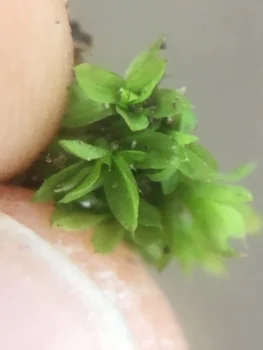
Barbula Moss: The Tiny Survivor Thriving in Your Garden’s Forgotten Corners
If you’ve ever noticed tiny, green cushions growing on your walkway cracks or rock walls, you might have encountered Barbula unguiculata, commonly known as barbula moss. This diminutive but resilient plant is one of nature’s quiet success stories, thriving in places where most other plants would give up.
What Exactly Is Barbula Moss?
Barbula moss belongs to the fascinating world of bryophytes—ancient plants that include mosses, liverworts, and hornworts. Unlike their flowering cousins, mosses don’t have true roots, stems, or leaves in the traditional sense. Instead, they’re made up of simple structures that help them absorb water and nutrients directly from their surroundings.
This particular moss is a terrestrial species, meaning it grows on land rather than in water. You’ll often find it making itself at home on rocks, concrete surfaces, old wood, or disturbed soil—basically anywhere it can get a good grip and find some moisture.
Where You’ll Find This Moss
Barbula moss is native to North America and can be found naturally occurring in states like New Jersey and New York, though its range likely extends much further. This hardy little plant has also made itself comfortable in many other parts of the world, showing just how adaptable it can be.
- Species observed
- No observations
Identifying Barbula Moss
Recognizing barbula moss is easier than you might think once you know what to look for:
- Forms small, dense cushions or mats, typically no more than a few inches tall
- Leaves are narrow and twisted when dry, but straighten out when wet
- Color ranges from bright green when moist to yellowish-green when dry
- Often found growing in cracks in sidewalks, on rock walls, or in disturbed soil areas
- May produce small, hair-like structures (sporophytes) that help with reproduction
Is Barbula Moss Beneficial for Your Garden?
While barbula moss might not be the showstopper of your garden, it does offer some subtle benefits:
- Erosion control: Its dense growth helps stabilize soil on slopes and prevents erosion
- Moisture retention: Acts like a natural sponge, helping retain water in the landscape
- Low maintenance: Requires absolutely zero care once established
- Year-round interest: Provides consistent green color throughout most seasons
- Wildlife habitat: Offers shelter for tiny insects and other small creatures
Living with Barbula Moss
Unlike traditional garden plants, you don’t really plant barbula moss—it tends to show up on its own when conditions are right. If you’re lucky enough to have it appear in your garden, consider it a sign that you’ve created a healthy, diverse ecosystem.
This moss thrives in areas with:
- Partial shade to full shade
- Consistent moisture (but not waterlogged conditions)
- Disturbed or compacted soil
- Rocky or concrete surfaces
The beauty of barbula moss lies in its ability to transform overlooked spaces. That crack in your driveway or the north-facing wall that nothing else will grow on? Barbula moss might just turn it into a miniature green oasis.
A Different Kind of Garden Beauty
In our quest for perfect lawns and pristine flower beds, we sometimes overlook the quiet charm of plants like barbula moss. This tiny survivor represents resilience and adaptability—qualities that make any garden more interesting and sustainable.
So next time you spot those small green cushions in unexpected places around your property, take a moment to appreciate them. You’re looking at one of nature’s most successful colonizers, quietly doing its part to keep your little corner of the world green and growing.