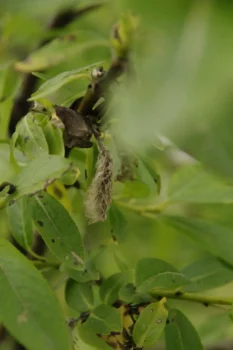
Barclay’s Willow: A Hardy Native Shrub for Wet Spots
If you’ve got a soggy spot in your yard that gives you gardening headaches, let me introduce you to a plant that might just become your new best friend. Barclay’s willow (Salix barclayi) is one of those unsung heroes of the native plant world – a tough-as-nails shrub that actually thrives where other plants fear to tread.
What Makes Barclay’s Willow Special?
This perennial shrub is a true North American native, naturally found across Alaska, western Canada, and the mountainous regions of the western United States including Colorado, Idaho, Montana, Washington, and Wyoming. It’s perfectly at home in some of the continent’s most challenging climates, which tells you something about its resilience.
- Species observed
- No observations
Barclay’s willow is what botanists call a multi-stemmed shrub, typically growing to about 15 feet tall with a rapid growth rate. Don’t let that rapid part scare you – we’re talking willow-fast, not invasive-weed-fast. The plant produces dense summer foliage that’s green and medium-textured, creating a pleasant backdrop in the landscape.
Why You Might Want to Plant It
Here’s where Barclay’s willow really shines: it’s incredibly adaptable to wet conditions. Depending on your region, this plant ranges from facultative (can handle wet or dry) to obligate wetland (almost always found in wet areas). If you have:
- A rain garden that needs filling
- A low spot that stays soggy
- Streamside areas needing stabilization
- Wildlife habitat goals
Then Barclay’s willow deserves serious consideration. Its early spring catkins provide crucial nectar and pollen when few other plants are blooming, making it a pollinator magnet when bees are desperately seeking food sources.
Growing Conditions and Care
This willow is refreshingly honest about what it wants: moisture, and lots of it. It has high moisture requirements and low drought tolerance, so don’t plant it in that dry, sunny border unless you’re prepared to water religiously.
Here’s what Barclay’s willow prefers:
- Soil: Adaptable to coarse, medium, or fine-textured soils
- pH: Slightly acidic to neutral (5.5-7.5)
- Sun exposure: Full sun (it’s shade intolerant)
- Hardiness: Extremely cold hardy (down to -43°F!), suitable for USDA zones 2-6
- Water: High moisture needs – this is not a set it and forget it plant unless you have naturally wet conditions
Planting and Propagation
Getting your hands on Barclay’s willow might require some detective work, as it has no known commercial sources readily available. However, it can be propagated through bare root plants, containers, or cuttings. The seeds require cold stratification and have low seedling vigor, so vegetative propagation is often more successful.
If you do manage to source some, plant in spring after the last frost. Give each plant plenty of room – you can plant anywhere from 1,700 to 4,800 per acre depending on your goals, but for home landscapes, think spacing of 6-8 feet apart.
Landscape Design Ideas
Barclay’s willow works beautifully in:
- Native plant gardens: Pairs well with other moisture-loving natives
- Wildlife gardens: Provides early pollinator food and likely supports various wildlife (though specific benefits aren’t well documented)
- Rain gardens: Excellent for managing stormwater runoff
- Natural areas: Perfect for naturalized, low-maintenance landscapes
- Erosion control: Those roots will help stabilize slopes and banks
The Reality Check
Let’s be honest – Barclay’s willow isn’t going to win any most gorgeous shrub contests. Its flowers aren’t particularly showy, it’s not fall-conspicuous, and it requires consistent moisture. But sometimes the best plants aren’t the flashiest ones. This is a workhorse species that solves problems while supporting local ecosystems.
If you’re looking for a low-maintenance, drought-tolerant shrub for a dry garden, keep looking. But if you have wet conditions and want a native plant that will thrive while supporting wildlife, Barclay’s willow might be exactly what your landscape needs.
The key is matching the right plant to the right place – and for wet, challenging sites in cold climates, few plants are as well-suited as this hardy native willow.