Barestem Biscuitroot: A Hardy Native Gem for Western Gardens
If you’re looking for a tough-as-nails native plant that delivers early spring color while asking for almost nothing in return, let me introduce you to barestem biscuitroot (Lomatium nudicaule). This unassuming little powerhouse might not win any beauty contests, but it’s the kind of reliable garden friend that shows up when you need it most – and sticks around for the long haul.
What Is Barestem Biscuitroot?
Barestem biscuitroot is a perennial forb native to western North America. As a forb, it’s an herbaceous plant without woody stems – think of it as the reliable cousin of your showier perennial flowers. This hardy native has earned its place in gardens across British Columbia, California, Idaho, Nevada, Oregon, Utah, and Washington, where it’s been quietly doing its thing for centuries.
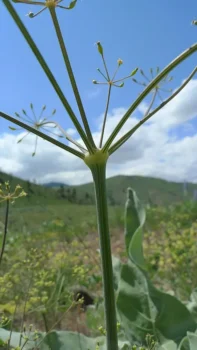
The plant gets its quirky common name from its distinctive bare stems that hold clusters of tiny yellow flowers well above the foliage. You might also see it listed under its old scientific name, Cogswellia nudicaulis, in older gardening references.
- Species observed
- No observations
Why Your Garden Needs This Native Beauty
Don’t let the humble appearance fool you – barestem biscuitroot brings serious value to your landscape:
- Early spring blooms: When most plants are still sleeping, this early riser produces cheerful yellow umbels from March to May
- Pollinator magnet: Those early flowers are a lifeline for native bees, flies, and other pollinators emerging from winter
- Drought champion: Once established, it thrives with minimal water – perfect for water-wise gardening
- Low maintenance: This is the ultimate plant it and forget it perennial
- Native credentials: Supporting local ecosystems while reducing garden maintenance? Yes, please!
Where Barestem Biscuitroot Shines
This adaptable native works beautifully in several garden styles:
- Rock gardens: Its compact size and drought tolerance make it perfect for tucking between stones
- Xeriscape designs: A natural choice for water-wise landscapes
- Native plant gardens: Provides authentic regional character
- Wildlife gardens: Early nectar source supports emerging pollinators
- Naturalized areas: Great for low-maintenance slopes and meadow-style plantings
Growing Conditions: Keep It Simple
The beauty of barestem biscuitroot lies in its simplicity. This plant thrives in conditions that would stress many garden favorites:
- Sunlight: Full sun to partial shade (morning sun is ideal)
- Soil: Well-draining soil is essential – sandy or rocky soils are perfect
- Water: Drought tolerant once established; avoid overwatering
- Climate: Hardy in USDA zones 4-9
In terms of wetland preferences, barestem biscuitroot definitely prefers life on the dry side. In arid western regions, it’s an obligate upland plant, meaning you’ll almost never find it in wet areas. In mountainous and coastal areas, it’s facultatively upland – it prefers dry spots but can occasionally tolerate some moisture.
Planting and Care Tips
Getting barestem biscuitroot established is refreshingly straightforward:
- Best planting time: Fall or early spring
- Soil preparation: Ensure excellent drainage – this is non-negotiable
- Watering: Water gently until established, then cut back significantly
- Spacing: Allow room for the plant to form small clumps
- Fertilizing: Skip it – these natives prefer lean soil
The biggest mistake gardeners make with barestem biscuitroot is killing it with kindness. Overwatering and rich soil are its enemies. Think benign neglect and you’ll be rewarded with years of reliable performance.
Is Barestem Biscuitroot Right for You?
This native gem is perfect if you:
- Want to support local ecosystems and pollinators
- Need plants for dry, challenging spots
- Appreciate subtle, natural beauty over flashy displays
- Prefer low-maintenance gardening
- Live in the western United States or southwestern Canada
However, you might want to look elsewhere if you’re seeking bold, showy flowers or plants for consistently moist areas.
Barestem biscuitroot may not be the star of your garden, but it’s the kind of steady, reliable performer that makes everything else possible. In a world of high-maintenance garden drama, sometimes the quiet natives are exactly what we need – plants that simply do their job, support the local ecosystem, and ask for almost nothing in return. Now that’s what I call garden wisdom.