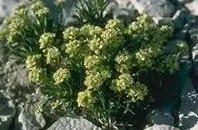
Barneby’s Pepperweed: A Rare Utah Native Worth Protecting
Meet Barneby’s pepperweed (Lepidium barnebyanum), one of Utah’s most endangered botanical treasures. This little-known perennial forb represents both the beauty of native plant diversity and the fragility of our natural ecosystems. While most gardeners will never encounter this plant, understanding its story helps us appreciate the delicate balance of native plant communities.
What Makes Barneby’s Pepperweed Special
Barneby’s pepperweed belongs to the mustard family and grows as a perennial forb—essentially a non-woody flowering plant that returns year after year. Like other forbs, it lacks the significant woody tissue found in shrubs and trees, instead developing its perennial nature through underground structures that survive harsh conditions.
This plant was named in honor of botanist Rupert Barneby, who made significant contributions to our understanding of western North American flora. The scientific name may also appear in older references as Lepidium montanum ssp. demissum, reflecting the evolving understanding of plant relationships.
Where Does It Call Home?
Barneby’s pepperweed is endemic to Utah, meaning it grows naturally nowhere else on Earth. This extreme geographic limitation is one of the factors that makes it so vulnerable to extinction. The plant exists in just a handful of locations within the state, making each population incredibly precious.
- Species observed
- No observations
A Conservation Crisis
Here’s where the story takes a serious turn. Barneby’s pepperweed holds a Global Conservation Status of S1, which translates to Critically Imperiled. This designation means the species faces an extremely high risk of extinction due to:
- Extreme rarity (typically 5 or fewer known populations)
- Very few remaining individuals (usually fewer than 1,000 plants total)
- Specific factors making it especially vulnerable to disappearing forever
The United States has classified this species as Endangered, providing it with legal protection under federal and state conservation programs.
Why This Matters to Gardeners
You might wonder why a plant you can’t grow should matter to your gardening efforts. Barneby’s pepperweed serves as a powerful reminder of how human activities can impact native plant communities. Every time we choose native plants for our gardens, we’re supporting the broader web of relationships that keep ecosystems healthy.
While you cannot and should not attempt to grow Barneby’s pepperweed, you can honor its legacy by:
- Choosing other native Utah plants for your landscape
- Supporting conservation organizations working to protect rare species
- Learning about the native plants in your specific area
- Creating habitat corridors that benefit all native wildlife
The Bigger Picture
Species like Barneby’s pepperweed remind us that native plant gardening isn’t just about pretty flowers or low-maintenance landscapes—it’s about preserving the intricate relationships that have evolved over thousands of years. Every native plant we grow creates a small sanctuary for the insects, birds, and other wildlife that depend on these relationships.
If you’re gardening in Utah, consider exploring the many other native mustard family members that can thrive in cultivation while supporting local ecosystems. Your local native plant society can guide you toward species that offer similar ecological benefits without the conservation concerns.
A Call to Action
Barneby’s pepperweed may be too rare and specialized for our gardens, but its story shouldn’t end in extinction. By making thoughtful choices about the plants we grow and supporting conservation efforts, we can ensure that future generations will know this remarkable Utah endemic not just from herbarium specimens, but as a living part of the landscape.
Sometimes the most important plants for gardeners to know about are the ones we can’t grow—because they remind us why the ones we can grow matter so much.