Barratt’s Willow: A Hardy Native Shrub for Northern Gardens
If you’re gardening in the northern reaches of North America and looking for a tough, reliable native shrub that can handle whatever Mother Nature throws at it, meet Barratt’s willow (Salix barrattiana). This unassuming but incredibly resilient willow species might just be the perfect addition to your landscape, especially if you’re dealing with wet soils or harsh winters that make other plants throw in the towel.
What is Barratt’s Willow?
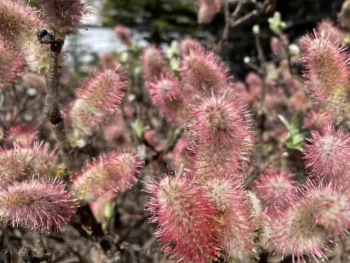
Barratt’s willow is a perennial shrub that typically grows as a multi-stemmed woody plant reaching 13 to 16 feet in height, though it can sometimes stretch taller or remain more compact depending on growing conditions. Like other willows, it produces the classic narrow leaves and fuzzy catkins that make this plant family so recognizable. Don’t be surprised if you encounter this plant listed under some of its historical names, including Salix albertana or various subspecies designations – botanists have had quite the time sorting out willow relationships over the years!
Where Does It Come From?
This hardy shrub is a true North American native, calling Alaska, Canada, and parts of the northern United States home. You’ll find natural populations thriving across a impressive range including Alberta, British Columbia, Alaska, Yukon, Northwest Territories, Montana, and Wyoming. It’s perfectly adapted to the challenging conditions of boreal and subarctic regions, making it an excellent choice for gardeners in similar climates.
- Species observed
- No observations
Why Consider Barratt’s Willow for Your Garden?
There are several compelling reasons to give this native shrub some space in your landscape:
- Extreme cold hardiness: Thrives in USDA zones 1-6, handling temperatures that would kill most other shrubs
- Wetland tolerance: Classified as facultative wetland across its range, meaning it’s perfectly happy in soggy soils where other plants struggle
- Early pollinator support: Spring catkins provide crucial nectar and pollen when few other food sources are available
- Low maintenance: Once established, requires minimal care and pruning
- Erosion control: Excellent for stabilizing banks and slopes with its robust root system
Perfect Garden Settings
Barratt’s willow shines in natural landscape designs and restoration projects. Consider it for:
- Rain gardens and bioswales
- Wetland restoration areas
- Wildlife habitat gardens
- Naturalized landscapes
- Areas with seasonal flooding or poor drainage
- Windbreaks in harsh climates
Growing Conditions and Care
The beauty of Barratt’s willow lies in its adaptability and toughness. Here’s what it prefers:
Sunlight: Full sun to partial shade – it’s quite flexible about lighting conditions
Soil: Thrives in moist to wet soils and tolerates poor drainage beautifully. While it can handle drier conditions once established, it truly excels with consistent moisture.
Water: Loves water! This is your go-to plant for those soggy spots where other shrubs fail.
Climate: Extremely cold hardy, making it perfect for northern gardens where winter temperatures regularly plummet well below freezing.
Planting and Establishment Tips
Getting Barratt’s willow established in your garden is refreshingly straightforward:
- Propagation: Easily grown from hardwood or softwood cuttings – willows are famously easy to propagate
- Planting time: Spring or fall work well, though spring gives the plant more time to establish before winter
- Spacing: Allow 6-10 feet between plants if creating a screen or mass planting
- Watering: Keep consistently moist during the first growing season, then let nature take over
- Pruning: Minimal pruning needed – just remove dead or damaged branches in late winter
Wildlife and Ecosystem Benefits
While specific wildlife data for Barratt’s willow can be limited, willows as a group are ecological powerhouses. The early spring catkins provide vital food for pollinators emerging from winter, and the dense branching offers nesting sites for birds. The plant’s tolerance for wet conditions makes it valuable for creating diverse habitat niches in your garden ecosystem.
Is Barratt’s Willow Right for Your Garden?
This native shrub is an excellent choice if you’re gardening in its natural range and dealing with challenging conditions like wet soils, harsh winters, or the need for low-maintenance plantings. It’s particularly valuable for gardeners interested in supporting local ecosystems and wildlife. However, if you’re looking for a formal hedge or specimen plant with showy flowers, you might want to consider other options alongside this hardworking native.
Barratt’s willow proves that sometimes the most unassuming plants are the most valuable additions to our gardens. When you need a tough, reliable native that can handle whatever your northern climate dishes out, this adaptable shrub is ready to step up to the challenge.