Barrens Silky Aster: A Hidden Gem for Late-Season Garden Color
If you’re looking for a native wildflower that brings ethereal beauty to your garden when most other plants are calling it quits for the season, let me introduce you to the barrens silky aster (Symphyotrichum pratense). This delicate southeastern native might not be as flashy as some of its showier cousins, but it has a quiet charm that’s absolutely captivating.
What Makes Barrens Silky Aster Special?
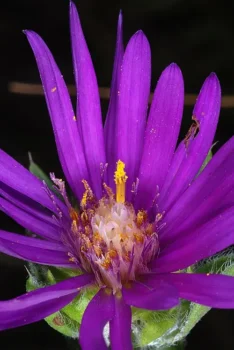
The barrens silky aster is a perennial forb that belongs to the diverse aster family. What sets this particular species apart is its silvery-silky foliage that seems to shimmer in the sunlight, giving the plant its descriptive common name. The small, daisy-like flowers typically bloom in shades of white to pale lavender with sunny yellow centers, creating a cloud-like effect when planted in masses.
You might also encounter this plant listed under several synonyms in older gardening references, including Aster pratensis, Aster sericeus var. microphyllus, or Aster phyllolepis, but rest assured – they’re all referring to the same lovely plant.
Where Does It Call Home?
This southeastern beauty is native to the lower 48 states, with populations naturally occurring across Alabama, Arkansas, Florida, Georgia, Kentucky, Louisiana, Mississippi, North Carolina, Oklahoma, Tennessee, Texas, and Virginia. In the wild, you’ll typically find it growing in open woodlands, prairies, and the sandy, well-drained soils of pine barrens – hence the barrens part of its name.
- Species observed
- No observations
A Word About Rarity
Before we dive into growing tips, there’s something important to know: barrens silky aster is considered rare in some parts of its range, with an S2 rarity status in Arkansas. This means it’s imperiled in that state due to restricted range, habitat loss, or other factors. If you’re interested in growing this plant, please make sure to source it responsibly from reputable native plant nurseries rather than collecting from wild populations.
Why Your Garden (and Local Wildlife) Will Love It
Here’s where barrens silky aster really shines – it’s a late-season bloomer that provides crucial nectar when many other flowers have finished for the year. This makes it incredibly valuable for butterflies, native bees, and other pollinators preparing for winter. The timing couldn’t be more perfect, as it typically flowers in fall when pollinators need all the help they can get.
From a design perspective, this aster works beautifully in:
- Native plant gardens and prairie restorations
- Naturalized meadow areas
- Mixed perennial borders where you want late-season interest
- Drought-tolerant landscape designs
Growing Barrens Silky Aster Successfully
The good news is that once established, barrens silky aster is refreshingly low-maintenance. Here’s what you need to know to grow it successfully:
Ideal Growing Conditions
- Sunlight: Full sun to partial shade (though it performs best with at least 6 hours of direct sunlight)
- Soil: Well-drained soils are essential – this plant absolutely cannot tolerate wet feet
- Hardiness: Thrives in USDA zones 6-9
- Water needs: Drought tolerant once established, though occasional deep watering during dry spells is appreciated
Planting and Care Tips
Spring is the ideal time to plant barrens silky aster. Choose a location with good drainage – if your soil tends to stay soggy, consider planting in a raised bed or on a slope. The silvery foliage provides textural interest throughout the growing season, so don’t worry if the plant seems quiet during summer months.
Once established, this native requires minimal care. You can cut it back in late winter or early spring before new growth emerges, though some gardeners prefer to leave the seed heads standing through winter to provide food for birds and shelter for beneficial insects.
The Bottom Line
Barrens silky aster may not be the most well-known native plant, but it definitely deserves a spot in gardens throughout the Southeast. Its combination of attractive silvery foliage, late-season blooms, and valuable pollinator support makes it a worthy addition to any native plant garden. Just remember to source it responsibly, and you’ll be rewarded with years of low-maintenance beauty that both you and local wildlife will appreciate.
If you can’t locate barrens silky aster from reputable sources, consider other native asters like aromatic aster (Symphyotrichum oblongifolium) or smooth blue aster (Symphyotrichum laeve) as alternatives that offer similar benefits with wider availability.