Barr’s Milkvetch: A Rare Prairie Gem Worth Protecting in Your Garden
If you’re passionate about native plants and prairie conservation, you might want to get acquainted with Barr’s milkvetch (Astragalus barrii). This unassuming little perennial is one of those plants that doesn’t shout for attention, but it plays an important role in the Great Plains ecosystem – and it could play a special role in your native garden too.
What Makes Barr’s Milkvetch Special?
Barr’s milkvetch is a native perennial legume that belongs to a large family of plants known for their ability to fix nitrogen in the soil. You might also see it listed under its synonym Orophaca barrii in older botanical references, but don’t let the name changes fool you – this is the same resilient prairie plant.
What makes this plant particularly noteworthy is its conservation status. Barr’s milkvetch has a Global Conservation Status of S3, meaning it’s considered vulnerable throughout its range. This classification indicates the plant is either very rare and local, found only in restricted areas, or faces other factors that make it vulnerable to disappearing entirely.
Where Does Barr’s Milkvetch Call Home?
This prairie specialist is native to the northern Great Plains, where you can find it naturally growing in Montana, Nebraska, South Dakota, and Wyoming. It’s perfectly adapted to the challenging conditions of this region – hot summers, cold winters, and not a lot of rainfall.
- Species observed
- No observations
What Does It Look Like?
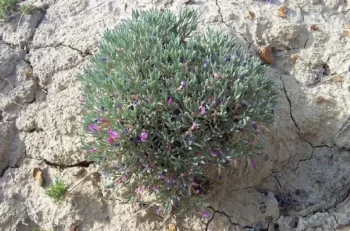
Barr’s milkvetch is a low-growing perennial that produces the characteristic compound leaves typical of the legume family. During its blooming period, it develops clusters of small purple to pink flowers that are perfectly sized for native bees and other small pollinators. While it may not be the showiest plant in your garden, it has that understated prairie charm that pairs beautifully with native grasses and other wildflowers.
Why Grow Barr’s Milkvetch?
There are several compelling reasons to consider adding this rare native to your landscape:
- Conservation value: By growing this vulnerable species, you’re contributing to its preservation
- Pollinator support: The flowers attract native bees and other beneficial insects
- Soil improvement: As a legume, it helps fix nitrogen in the soil
- Low maintenance: Once established, it’s extremely drought-tolerant and requires minimal care
- Authentic prairie character: Perfect for native plant gardens and prairie restorations
Growing Conditions and Care
If you’re thinking about growing Barr’s milkvetch, you’ll want to mimic its natural prairie habitat as closely as possible:
- Hardiness zones: Best suited for USDA zones 3-5
- Sunlight: Full sun is essential
- Soil: Well-drained soils are absolutely critical – this plant cannot tolerate wet feet
- Water: Drought-tolerant once established; actually prefers dry conditions
- Maintenance: Very low maintenance once established
Important Considerations Before Planting
Here’s the crucial part: because Barr’s milkvetch is considered vulnerable, it’s essential that you source any plants or seeds responsibly. Never collect from wild populations, as this could harm already vulnerable communities. Instead, look for reputable native plant nurseries that propagate their stock ethically, or participate in conservation seed collection programs that are properly managed.
Perfect Garden Partners
Barr’s milkvetch shines in naturalistic prairie gardens and restoration projects. It pairs beautifully with native grasses like buffalo grass or blue grama, and complements other prairie wildflowers. Consider it for xerophytic landscapes where you want authentic Great Plains character without the water requirements of traditional gardening.
The Bottom Line
While Barr’s milkvetch might not be the easiest native plant to find at your local garden center, it’s worth seeking out for dedicated native plant enthusiasts. Its vulnerable status makes it even more special – you’ll be growing a piece of prairie history while supporting conservation efforts. Just remember to source responsibly and enjoy watching this resilient little legume thrive in conditions that would challenge many other plants.
If you can provide the well-drained, sunny conditions it craves, Barr’s milkvetch will reward you with years of low-maintenance beauty and the satisfaction of knowing you’re helping preserve a piece of our native botanical heritage.