Bartramia Moss: The Tiny Apple-Shaped Wonder of Your Woodland Garden
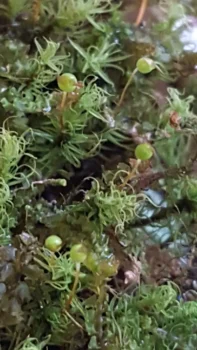
Have you ever stumbled across what looks like a miniature orchard growing on the forest floor? Meet bartramia moss (Bartramia pomiformis), a charming little moss that produces capsules so perfectly round they could pass for fairy-sized apples. This delightful native moss is one of nature’s more whimsical creations, and it might just be the perfect addition to your woodland garden.
What Exactly is Bartramia Moss?
Bartramia moss is a terrestrial bryophyte – that’s science speak for a small, non-flowering plant that includes mosses, liverworts, and hornworts. Unlike your typical garden plants, mosses don’t have true roots, stems, or leaves in the traditional sense. Instead, they’re remarkably simple yet sophisticated organisms that have been quietly carpeting the earth for millions of years.
What makes bartramia moss particularly special is its distinctive reproductive structures. The species gets its botanical name pomiformis (meaning apple-shaped) from its round, green capsules that sit atop thin, wiry stalks like tiny fruits on impossibly delicate trees.
Where Does Bartramia Moss Call Home?
This charming moss is native to North America, with confirmed populations in New Jersey and New York, though it likely extends throughout much of the northeastern United States. As a native species, it plays an important role in local ecosystems and deserves our appreciation and protection.
- Species observed
- No observations
The Garden Benefits You Might Not Expect
While bartramia moss might not attract butterflies like your favorite wildflowers, it offers some unique benefits to your garden ecosystem:
- Creates a living carpet that helps retain soil moisture
- Provides habitat for tiny invertebrates that form the base of the food web
- Adds year-round green texture to shaded areas where other plants struggle
- Requires absolutely no fertilizers, pesticides, or regular watering once established
- Helps prevent soil erosion on slopes and disturbed areas
How to Spot Bartramia Moss in the Wild
Identifying bartramia moss is relatively straightforward once you know what to look for. Here are the key features:
- Growth pattern: Forms small, dense cushions or patches on soil, rotting logs, or rocks
- Capsules: The star of the show – perfectly spherical, green capsules about 2-3mm in diameter
- Stalks: Thin, reddish-brown stalks (called setae) that hold the capsules upright
- Leaves: Small, narrow leaves that curve and twist when dry, giving the moss a distinctive appearance
- Habitat: Look for it in moist, shaded areas, particularly on acidic soils in woodland settings
Creating the Right Conditions
If you’re lucky enough to have bartramia moss appear naturally in your garden, consider yourself blessed! This moss thrives in:
- Partial to full shade
- Consistently moist (but not waterlogged) soil
- Acidic growing conditions
- Areas with good air circulation and humidity
- Locations protected from foot traffic
Rather than trying to transplant or establish moss (which can be challenging and may disturb natural populations), focus on creating the right conditions and let nature do the work. Remove competing weeds, maintain consistent moisture, and be patient.
A Word of Caution and Conservation
While bartramia moss isn’t currently listed as rare or endangered, all native mosses deserve our respect and protection. If you encounter this species in the wild, resist the urge to collect it. Instead, take photos, make notes, and enjoy observing this fascinating organism in its natural habitat.
The Bottom Line
Bartramia moss might not be the showstopper of your garden, but it represents something equally valuable – the quiet, persistent beauty of native plants that have adapted perfectly to their environment. Whether you encounter it naturally or simply appreciate it during woodland walks, this little apple-moss reminds us that sometimes the smallest plants can bring the greatest joy to observant gardeners.
Who knows? Once you start noticing mosses, you might find yourself joining the ranks of bryophyte enthusiasts who see entire worlds of wonder in these miniature landscapes.