Basalt Milkvetch: A Hardy Native Perennial for Water-Wise Gardens
Looking for a tough, drought-tolerant native plant that can handle challenging conditions? Meet basalt milkvetch (Astragalus filipes), a resilient perennial that’s been quietly thriving across western North America for centuries. This unassuming member of the legume family might not win any beauty contests, but it earns its place in native gardens through sheer dependability and ecological value.
What Is Basalt Milkvetch?
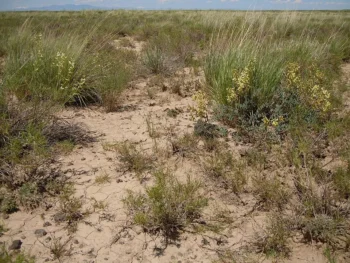
Basalt milkvetch is a native perennial plant that grows throughout much of western North America. True to its common name, this hardy species often grows in rocky, basaltic soils where many other plants struggle to survive. As a member of the Astragalus genus—one of the largest plant genera in North America—it shares the family trait of fixing nitrogen in the soil, making it a valuable addition to any ecosystem.
This species is native to both Canada and the United States, with populations found across British Columbia, California, Idaho, Nevada, Oregon, Utah, and Washington. Its wide distribution speaks to its adaptability and resilience in varied western landscapes.
- Species observed
- No observations
Garden Appeal and Characteristics
Don’t expect flashy blooms from basalt milkvetch, but do appreciate its understated charm. This perennial reaches about 2 feet in height with an erect, single-crown growth form. In late spring, it produces small white flowers that, while not particularly showy, provide important nectar sources for native pollinators. The green foliage has a pleasant medium texture and remains porous throughout the growing season.
After flowering, the plant develops small black seeds, though they’re not particularly ornamental. The overall effect is of a neat, compact plant that blends well with other natives without demanding attention.
Why Grow Basalt Milkvetch?
Here are the compelling reasons to consider this native perennial:
- Exceptional drought tolerance: Once established, this plant thrives with minimal water
- Soil improvement: As a legume, it fixes nitrogen, enriching your garden soil naturally
- Low maintenance: Slow regrowth rate means less pruning and fussing
- Native wildlife support: Provides nectar for native bees and other pollinators
- Erosion control: Useful for stabilizing slopes and disturbed areas
- Authentic regional character: Adds genuine native plant diversity to your landscape
Ideal Growing Conditions
Basalt milkvetch is refreshingly easy to please, especially if you can provide conditions similar to its native habitat:
- Sunlight: Full sun (shade intolerant)
- Soil: Well-draining, coarse to medium-textured soils preferred
- pH: Tolerates a range from 5.8 to 7.3
- Water: Very low water needs once established (8-30 inches annual precipitation)
- Temperature: Hardy to -23°F (roughly zones 4-8)
- Fertility: Actually prefers low-fertility soils—avoid rich, amended beds
Where to Use Basalt Milkvetch in Your Landscape
This versatile native works well in several garden settings:
- Xeriscape gardens: Perfect for low-water landscapes
- Native plant gardens: Provides authentic regional flora
- Restoration projects: Excellent for rehabilitating disturbed sites
- Rock gardens: Thrives among rocks and in poor soils
- Naturalized areas: Great for meadow-style plantings
- Erosion control: Useful on slopes and banks
Planting and Care Tips
Starting from seed: This is your main option, as basalt milkvetch is rarely available commercially. With about 120,000 seeds per pound, a little goes a long way. Sow seeds in fall or early spring, keeping in mind that seedling vigor is relatively low, so be patient.
Site preparation: Choose a sunny, well-draining location. Avoid areas that stay wet or have rich, fertile soil—this plant actually prefers lean conditions.
Watering: Water lightly during establishment, then back off. Overwatering is more likely to harm this plant than drought.
Fertilizing: Skip it entirely. This nitrogen-fixer doesn’t need supplemental fertilizer and may actually suffer in overly rich soils.
Maintenance: Very minimal. The moderate growth rate means you won’t need to prune often, and the plant doesn’t spread vegetatively.
Potential Challenges
Like many native plants, basalt milkvetch has a few quirks to understand:
- Limited availability: You’ll likely need to grow from seed as commercial sources are scarce
- Slow establishment: Be patient—this plant takes time to settle in
- Slight toxicity: As with many Astragalus species, it has mild toxicity, so avoid planting where livestock might graze heavily
- Specific soil needs: Won’t thrive in heavy clay or constantly moist conditions
The Bottom Line
Basalt milkvetch won’t be the star of your garden, but it might just become one of your most valued supporting players. For gardeners embracing native plants, water-wise landscaping, or ecological restoration, this tough perennial offers genuine value. It asks for little, gives back to the soil through nitrogen fixation, supports native pollinators, and embodies the quiet resilience of western landscapes.
If you’re building a native garden that celebrates regional character over flashy blooms, basalt milkvetch deserves consideration. Just remember to source seeds responsibly and give this understated native the lean, sunny conditions it craves.