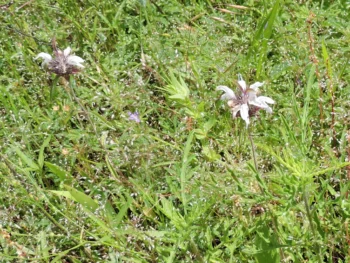
Basil Beebalm: A Charming Native Annual for Southern Gardens
If you’re looking to add a touch of wild beauty to your garden while supporting local pollinators, basil beebalm (Monarda clinopodioides) might just be the perfect annual for you. This delightful native wildflower brings both fragrance and ecological value to gardens across the south-central United States.
What Makes Basil Beebalm Special?
Basil beebalm is a true American native, belonging to the mint family and sharing the characteristic aromatic qualities that make Monarda species so beloved. As an annual forb, this herbaceous plant completes its entire life cycle in one growing season, making it an excellent choice for gardeners who enjoy changing up their landscape each year.
This charming wildflower produces clusters of small, delicate flowers that range from white to pale pink, creating a subtle yet beautiful display in late spring and summer. The aromatic foliage releases a pleasant fragrance when brushed against, adding a sensory element to your garden experience.
Where Does It Call Home?
Basil beebalm is native to a specific region of the south-central United States, naturally occurring in Kansas, Louisiana, Oklahoma, and Texas. This relatively limited native range makes it a special choice for gardeners in these areas who want to grow truly local plants.
- Species observed
- No observations
Why Plant Basil Beebalm in Your Garden?
There are several compelling reasons to consider adding this native annual to your landscape:
- Pollinator magnet: Like other members of the Monarda family, basil beebalm attracts bees, butterflies, and other beneficial pollinators
- Native plant benefits: Supporting local ecosystems by growing plants that naturally belong in your region
- Low maintenance: Once established, native plants typically require less water and care than non-native alternatives
- Aromatic appeal: The fragrant foliage adds a pleasant scent to your garden
- Wildflower charm: Brings a natural, prairie-like beauty to cultivated spaces
Perfect Garden Settings
Basil beebalm thrives in several garden styles and settings:
- Native plant gardens and prairie restorations
- Wildflower meadows and naturalized areas
- Pollinator gardens designed to support local wildlife
- Mixed borders where you want to include native species
- Educational gardens showcasing regional flora
Growing Basil Beebalm Successfully
While specific cultivation information for Monarda clinopodioides is limited, you can follow these general guidelines based on its native habitat and family characteristics:
Climate and Hardiness
Basil beebalm is best suited for USDA hardiness zones 6-9, which aligns with its native range across the south-central states.
Light and Soil Requirements
- Sunlight: Prefers full sun to partial shade
- Soil: Well-draining soils are essential; adaptable to various soil types
- Moisture: Likely drought tolerant once established, typical of many native prairie plants
Planting and Care Tips
- As an annual, basil beebalm will need to be replanted each year or allowed to self-seed
- Plant seeds in spring after the last frost date
- Space plants according to their mature size to ensure good air circulation
- Water regularly during establishment, then reduce as the plants mature
- Deadhead spent flowers to encourage continued blooming, or leave seed heads for wildlife and natural reseeding
A Few Considerations
Before adding basil beebalm to your garden, keep these points in mind:
- This species has a relatively limited native range, so it’s most appropriate for gardens in Kansas, Louisiana, Oklahoma, and Texas
- As an annual, you’ll need to plan for replanting or reseeding each year
- Limited availability in nurseries may mean you’ll need to source seeds from native plant specialists
Supporting Native Biodiversity
By choosing basil beebalm for your garden, you’re making a conscious decision to support local ecosystems and biodiversity. Native plants like this one have co-evolved with local wildlife, providing food and habitat that non-native alternatives simply can’t match.
Whether you’re creating a dedicated native plant garden or simply want to incorporate more regional species into your existing landscape, basil beebalm offers a wonderful opportunity to connect your garden with the natural heritage of the south-central United States.