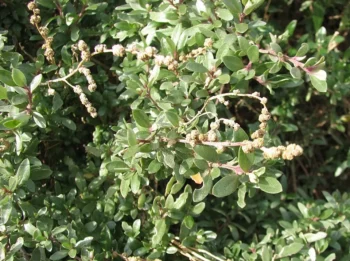
Basin Saltbush: A Hardy Native Shrub for Challenging Garden Spots
If you’re looking for a tough-as-nails native plant that can handle the kind of challenging conditions that make other plants wave their white flags in surrender, let me introduce you to basin saltbush (Atriplex tridentata). This unassuming little shrub might not win any beauty contests, but it’s got the kind of resilience that’ll make you appreciate its quiet, steady presence in your landscape.
What is Basin Saltbush?
Basin saltbush is a perennial shrub that’s native to the western United States, where it has been quietly doing its job in some pretty harsh environments for centuries. This low-growing powerhouse typically stays under 1.5 feet tall, though it can occasionally reach up to 3 feet at maturity. Don’t let its modest size fool you – this plant is all about function over flash.
Where Does It Naturally Grow?
You’ll find basin saltbush calling home to Colorado, Idaho, Nevada, Utah, and Wyoming – basically the heart of the American West where the soil might be salty, the summers scorching, and the winters brutally cold. It’s perfectly adapted to the Great Basin and intermountain regions where many other plants simply can’t cut it.
- Species observed
- No observations
The Appeal (And Reality) of Basin Saltbush
Let’s be honest – basin saltbush isn’t going to stop traffic with its stunning blooms or make your neighbors green with envy. What it lacks in showy flowers, it makes up for in silvery-gray foliage that provides a subtle, muted backdrop in the garden. Its small, dense growth habit creates an interesting textural element, and its ability to stay green (well, grayish-green) in conditions that would fry other plants is pretty remarkable.
Why You Might Want to Plant Basin Saltbush
Here are some compelling reasons to consider this humble native:
- Drought tolerance: Once established, it barely needs any supplemental watering
- Soil flexibility: Thrives in alkaline and even somewhat saline soils that challenge other plants
- Low maintenance: Plant it, give it some time to settle in, then pretty much forget about it
- Native credentials: Supporting local ecosystems and wildlife
- Erosion control: Great for slopes and areas where you need soil stabilization
Where Basin Saltbush Shines in Your Landscape
This isn’t a plant for formal English gardens or lush perennial borders. Basin saltbush excels in:
- Xeriscape and drought-tolerant gardens
- Native plant landscapes
- Areas with poor, alkaline, or salty soil
- Slopes that need erosion control
- Wildlife gardens (it provides cover and some forage for wildlife)
- Buffer zones and naturalized areas
Growing Conditions and Care
Basin saltbush is refreshingly undemanding. Here’s what it needs to thrive:
- Sun: Full sun is best – it can handle intense western sun without breaking a sweat
- Soil: Well-drained is key; it actually prefers poor, alkaline soils over rich garden soil
- Water: Drought tolerant once established; overwatering is more likely to harm it than help
- Hardiness: Hardy in USDA zones 4-8, so it can handle both cold winters and hot summers
Planting and Care Tips
The beauty of basin saltbush is in its simplicity:
- Plant in spring or fall when temperatures are moderate
- Space plants about 2-3 feet apart to allow for mature spread
- Water regularly the first year to help establishment, then back off
- No fertilizer needed – it actually prefers lean conditions
- Minimal pruning required; just remove dead or damaged branches
- Be patient – it may take a couple of seasons to really get established
Special Considerations
Basin saltbush has a Facultative Wetland status across its native regions, which means it usually grows in wetlands but can adapt to drier conditions. This flexibility makes it particularly valuable for areas that might occasionally flood or have variable moisture conditions.
The Bottom Line
Basin saltbush won’t be the star of your garden, but it might just become your most reliable supporting player. If you have a challenging spot with poor soil, intense sun, and little water, this native shrub could be exactly what you need. It’s the kind of plant that quietly does its job, asks for nothing in return, and supports the local ecosystem while it’s at it. Sometimes, that’s exactly what a landscape needs.