Basin Wildrye: The Majestic Native Grass Your Landscape Has Been Waiting For
If you’re looking for a show-stopping native grass that can handle tough conditions while providing year-round interest, let me introduce you to basin wildrye (Leymus cinereus). This impressive perennial grass might just be the hardworking hero your landscape needs!
What Is Basin Wildrye?
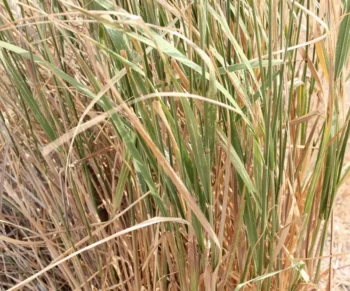
Basin wildrye is a robust, bunch-forming perennial grass native to western North America. This long-lived beauty can reach up to 5 feet tall, creating dramatic vertical accents with its coarse-textured, blue-green to gray-green foliage. While it may not win any awards for flashy flowers (those small yellow blooms in early spring are pretty modest), its architectural presence and resilience more than make up for it.
Where Does It Call Home?
This native gem has an impressive range across western North America. You’ll find basin wildrye naturally growing from Alberta and British Columbia down through the western United States, including Arizona, California, Colorado, Idaho, Montana, Nevada, New Mexico, Oregon, Utah, Washington, and Wyoming. It even ventures into parts of Minnesota, Nebraska, South Dakota, and Saskatchewan.
- Species observed
- No observations
Why Your Garden Will Love Basin Wildrye
Here’s where basin wildrye really shines – it’s tough as nails! This grass thrives in challenging conditions that would make other plants throw in the towel:
- Drought tolerance: Once established, it can handle dry spells like a champ
- Soil flexibility: Happy in coarse, medium, or fine-textured soils
- pH tolerance: Tolerates a wide range from 5.6 to 9.0
- Salt tolerance: High salinity tolerance makes it perfect for challenging sites
- Cold hardy: Can withstand temperatures down to -43°F
Perfect Places to Plant Basin Wildrye
This versatile grass works beautifully in several landscape settings:
- Native plant gardens: Provides authentic regional character
- Xeriscape designs: Thrives with minimal water once established
- Restoration projects: Excellent for naturalizing disturbed areas
- Large-scale landscapes: Creates dramatic masses and borders
- Erosion control: Strong root system helps stabilize slopes
Growing Conditions and Care
Basin wildrye is surprisingly accommodating for such an impressive plant. It grows best in USDA hardiness zones 3-8 and prefers full sun (it’s quite shade intolerant). While it has high fertility requirements initially, once established it becomes quite self-sufficient.
The grass shows different wetland preferences depending on your region. In the Arid West and Western Mountains regions, it’s facultative, meaning it can handle both wet and dry conditions. However, in the Great Plains and Midwest, it strongly prefers upland (non-wetland) conditions.
Planting and Establishment Tips
Getting basin wildrye started is straightforward:
- Timing: Plant seeds in fall or early spring when temperatures are cool
- Seeding: This grass propagates best by seed (with about 144,000 seeds per pound!)
- Patience required: Seedling vigor is medium, so give it time to establish
- Spacing: Allow plenty of room – this grass forms substantial clumps
- Water: Provide regular water during establishment, then reduce as it matures
Wildlife and Ecosystem Benefits
While basin wildrye might not be a pollinator magnet (it’s wind-pollinated), it provides valuable ecosystem services. The dense summer foliage offers excellent cover for small wildlife, and the seeds provide food for birds and small mammals. Its deep root system (minimum 20 inches) also helps improve soil structure and water infiltration.
The Bottom Line
Basin wildrye is like that reliable friend who’s always there when you need them. It might not be the flashiest plant in your garden, but it’ll provide years of steady beauty, require minimal fuss once established, and help create authentic native habitat. If you have the space and want a low-maintenance, high-impact native grass that can handle whatever your climate throws at it, basin wildrye deserves serious consideration.
Just remember – this grass needs room to spread its wings (or should I say roots?). Give it the space it deserves, and you’ll be rewarded with a magnificent specimen that embodies the wild beauty of western landscapes right in your own backyard.