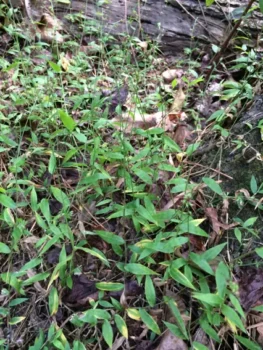
Basketgrass: A Problematic Groundcover You Should Avoid
If you’ve been searching for an easy groundcover for your shady garden spots, you might have come across basketgrass (Oplismenus hirtellus). While this perennial grass might seem like an attractive solution for difficult areas, there’s a compelling reason why you should steer clear of this particular plant.
What Is Basketgrass?
Basketgrass is a low-growing, perennial grass that forms dense mats of soft, broad leaves. This graminoid (grass-like plant) spreads readily and can quickly cover large areas, which might initially seem like a gardener’s dream for filling in bare spots under trees or on slopes.
The Problem: It’s Invasive
Here’s the catch that makes basketgrass a plant to avoid: it has invasive status and is actually prohibited in some areas. This non-native species has been introduced to various regions where it reproduces spontaneously and tends to persist without human intervention. Once established, it can outcompete native plants and disrupt local ecosystems.
Where Basketgrass Grows
You’ll find basketgrass growing across a wide range of states including Alabama, Arkansas, Florida, Georgia, Hawaii, Louisiana, Maryland, Mississippi, Missouri, North Carolina, Oklahoma, South Carolina, Texas, and Virginia. It’s also present in Palau, Puerto Rico, and the Virgin Islands. While it’s native to some Pacific Basin regions, Puerto Rico, and the U.S. Virgin Islands, its status varies significantly by location.
- Species observed
- No observations
Growing Characteristics
Basketgrass is remarkably adaptable when it comes to moisture conditions. Depending on the region, it can handle both wetland and non-wetland conditions, though it typically prefers non-wetland environments. This flexibility is part of what makes it so successful at establishing itself in new areas.
Why You Shouldn’t Plant It
Despite its easy-care nature and ability to quickly cover ground, basketgrass poses several problems:
- It can escape cultivation and invade natural areas
- It outcompetes native plants that wildlife depends on
- It’s prohibited in some regions due to its invasive nature
- It offers limited benefits to pollinators and wildlife
Better Native Alternatives
Instead of taking a chance with basketgrass, consider these native groundcover options for shady areas:
- Wild ginger species native to your region
- Native sedges appropriate for your area
- Regional woodland wildflowers
- Native ferns suited to your climate
The Bottom Line
While basketgrass might seem like an easy solution for challenging garden spots, its invasive potential makes it a poor choice for responsible gardeners. By choosing native alternatives instead, you’ll create a garden that supports local wildlife while avoiding the risk of contributing to ecological problems. Your local native plant society or extension office can help you identify the best native groundcovers for your specific area and growing conditions.
Remember: the easiest plant to grow isn’t always the best plant to grow. Sometimes the most responsible choice requires a little extra research, but your local ecosystem will thank you for it.