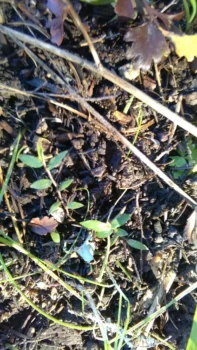
Basketgrass: A Pacific Island Native Worth Knowing
Meet basketgrass (Oplismenus hirtellus imbecillis), a perennial grass that calls some of the most remote and beautiful islands in the Pacific home. While you might not find this plant at your local nursery, understanding native grasses like basketgrass helps us appreciate the incredible diversity of plant life across our planet’s island ecosystems.
What Exactly Is Basketgrass?
Basketgrass is a grass-like perennial that belongs to the broader family of grasses, sedges, and similar plants. Like many island natives, it has adapted to very specific growing conditions found in its Pacific island home. The plant is also known scientifically by its synonym Oplismenus imbecillis, which you might encounter in older botanical references.
Where Does Basketgrass Call Home?
This fascinating grass is native to the Pacific Basin, specifically thriving in Guam and Palau. These tropical islands provide the perfect conditions that basketgrass has evolved to love over countless generations. It’s worth noting that while it’s native to the broader Pacific Basin region, it notably doesn’t occur naturally in Hawaii.
- Species observed
- No observations
Should You Try Growing Basketgrass?
Here’s where things get a bit tricky for most gardeners. Since basketgrass is native to such a specific and remote region, there’s limited information available about successfully cultivating it outside its natural habitat. If you’re gardening anywhere outside of Guam or Palau, you’ll likely face significant challenges trying to replicate the growing conditions this grass needs to thrive.
For gardeners in most locations, focusing on native grasses from your own region will be far more rewarding and environmentally beneficial. Native plants are adapted to local conditions and support local wildlife in ways that distant natives simply can’t match.
What We Know (And Don’t Know) About Growing Basketgrass
Unfortunately, detailed growing information for basketgrass is quite limited in readily available sources. What we do know is:
- It’s a perennial, meaning it comes back year after year in suitable conditions
- It’s adapted to tropical Pacific island conditions
- Like most island plants, it likely has very specific soil, moisture, and climate requirements
The lack of cultivation information isn’t necessarily a bad thing—it often means a plant is thriving in its native habitat without needing human intervention, which is exactly what we want for healthy ecosystems.
Better Alternatives for Most Gardens
Unless you’re specifically working on habitat restoration in Guam or Palau, you’ll probably want to focus on native grasses from your own region. Every area has its own wonderful collection of native grasses that are:
- Adapted to local growing conditions
- Available from native plant nurseries
- Beneficial to local wildlife and pollinators
- Easier to establish and maintain
Contact your local native plant society or extension office to discover the amazing native grasses that would love to call your garden home. You might be surprised by the beauty and ecological benefits that local natives can bring to your landscape!
The Bigger Picture
While basketgrass might not be the right choice for most gardens, learning about plants like this helps us appreciate the incredible diversity of life on our planet. Every native plant, no matter how obscure or geographically limited, plays an important role in its ecosystem. By understanding and protecting these unique species in their natural habitats, we help preserve the rich tapestry of life that makes each region special.
So while you might not be planting basketgrass anytime soon, take a moment to appreciate this unique Pacific island native—and then go discover the equally amazing native grasses waiting to transform your own corner of the world!