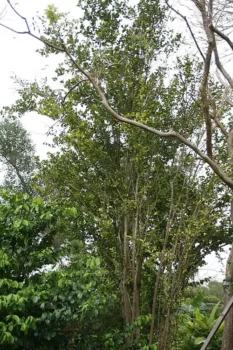
Bastard Gregre: A Lesser-Known Caribbean Native Worth Discovering
If you’re passionate about native plants and looking for something truly unique for your Caribbean garden, let me introduce you to bastard gregre (Ginoria rohrii). This native shrub might not have the most flattering common name, but don’t let that fool you – it’s a fascinating piece of Caribbean botanical heritage that deserves a closer look.
What Exactly Is Bastard Gregre?
Bastard gregre is a perennial shrub that’s part of the Caribbean’s natural flora. Like most shrubs, it’s a multi-stemmed woody plant that typically stays under 13-16 feet tall, though it can occasionally grow taller or develop a single stem depending on its growing conditions. Think of it as nature’s way of creating living architecture – sturdy, persistent, and built to last.
Where Does It Call Home?
This native beauty is exclusively found in Puerto Rico and the U.S. Virgin Islands, making it a true Caribbean endemic. If you’re gardening in these areas, you’re working with a plant that has been thriving in your local ecosystem for countless generations.
- Species observed
- No observations
The Wetland Connection
Here’s where bastard gregre gets interesting from an ecological standpoint. It’s classified as a Facultative Wetland plant in the Caribbean region, which means it’s quite the adaptable character. While it usually prefers wetland conditions, it’s flexible enough to tolerate drier sites too. This makes it potentially valuable for gardeners dealing with varying moisture conditions or those interested in rain garden applications.
Should You Plant Bastard Gregre?
As a native plant enthusiast, I’m always excited about indigenous species, but I have to be honest with you – bastard gregre is something of a botanical mystery. Here’s what we know and what we don’t:
The Case For Planting It:
- It’s truly native to the Caribbean, supporting local ecosystems
- Its wetland tolerance suggests it could be useful for challenging garden conditions
- As a perennial shrub, it offers permanent structure to your landscape
- You’d be helping preserve a piece of Caribbean botanical heritage
The Challenges:
- Limited information exists about its cultivation requirements
- Availability in nurseries may be extremely limited or non-existent
- Growing conditions, care requirements, and aesthetic qualities are not well documented
- Pollinator benefits and wildlife value, while likely present, are not specifically known
Growing Bastard Gregre: Educated Guesses
Since specific cultivation information is scarce, here’s what we can reasonably infer based on its native habitat and wetland classification:
- Likely thrives in consistently moist to wet soils
- Probably adapted to tropical Caribbean climate conditions
- May tolerate both full sun and partial shade (common for wetland plants)
- Could be useful in rain gardens, bioswales, or naturally wet areas of your property
The Bottom Line
Bastard gregre represents an intriguing opportunity for adventurous native plant gardeners in Puerto Rico and the U.S. Virgin Islands. While we don’t have all the answers about growing this plant successfully, its native status makes it worth considering – especially if you’re working with wet or challenging soil conditions.
If you’re interested in trying this plant, your best bet would be to connect with local native plant societies, botanical gardens, or conservation organizations who might have experience with Caribbean native flora. They may be able to provide seeds, cuttings, or simply more detailed growing advice based on field observations.
Sometimes the most rewarding gardening adventures come from working with plants that haven’t been figured out yet. Who knows? You might be the one to unlock the secrets of successfully cultivating this Caribbean native!