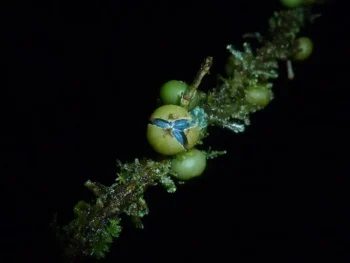
Bastard Hogberry: A Caribbean Native Worth Considering
If you’re gardening in Puerto Rico or the U.S. Virgin Islands and looking to incorporate more native plants into your landscape, you might want to learn about bastard hogberry (Margaritaria nobilis). While this Caribbean native isn’t the most well-known shrub in gardening circles, it offers the ecological benefits that come with choosing plants that naturally belong in your region.
What is Bastard Hogberry?
Bastard hogberry is a perennial shrub that typically grows as a multi-stemmed woody plant, usually reaching heights of less than 13 to 16 feet. Like many shrubs, it usually develops several stems arising from or near the ground, though environmental conditions can sometimes influence its exact growth pattern.
Botanically known as Margaritaria nobilis, this plant was previously classified under the synonym Phyllanthus nobilis, so you might encounter it under that name in older references.
Where Does It Grow Naturally?
This shrub is native to the Caribbean region, specifically Puerto Rico and the U.S. Virgin Islands. Its natural habitat gives us clues about where it might thrive in cultivation – it’s adapted to Caribbean growing conditions and climate patterns.
- Species observed
- No observations
Growing Conditions and Garden Suitability
Here’s where things get interesting (and a bit challenging) for gardeners: bastard hogberry falls into that category of native plants that haven’t been extensively studied for home cultivation. What we do know is that it has a Facultative Upland wetland status in the Caribbean region, which means it usually grows in non-wetland areas but can tolerate some wetland conditions.
This adaptability suggests it might be fairly flexible about moisture levels in the garden, though specific growing requirements aren’t well-documented in standard horticultural sources.
Why Consider This Plant?
If you’re gardening in Puerto Rico or the U.S. Virgin Islands, here are some reasons bastard hogberry might deserve a spot in your landscape:
- It’s genuinely native to your region, supporting local ecosystems
- As a native plant, it’s likely adapted to local climate conditions
- Its shrub form can provide structure and screening in landscape design
- Native plants typically require less water and maintenance once established
The Reality Check
Let’s be honest: bastard hogberry isn’t going to be the star of your Instagram-worthy garden photos. It’s one of those supporting actor plants that contributes to ecological function rather than flashy beauty. And if you’re hoping for detailed growing guides and care instructions, you’ll find that information surprisingly scarce.
This lack of cultivation information reflects the reality that many of our native plants simply haven’t received the horticultural attention that popular ornamental species enjoy.
Should You Plant It?
If you’re passionate about native gardening in Puerto Rico or the U.S. Virgin Islands, bastard hogberry could be worth exploring – especially if you can source it from a reputable native plant nursery. Its tolerance for different moisture levels might make it useful in transition areas of your landscape.
However, if you’re new to native gardening or looking for plants with well-established care guidelines, you might want to start with better-documented Caribbean natives and come back to bastard hogberry once you’ve gained more experience with regional growing conditions.
The Bottom Line
Bastard hogberry represents both the promise and challenge of native plant gardening: it offers the ecological benefits of choosing truly local species, but requires a more adventurous, experimental approach to cultivation. If that sounds appealing and you’re in its native range, it might just be the kind of under-the-radar native that helps make your garden a better habitat for local wildlife.
Just remember to source it responsibly from native plant specialists who can ensure you’re getting the real deal – and maybe keep notes on how it performs in your garden to help fill in those knowledge gaps for future native plant enthusiasts.