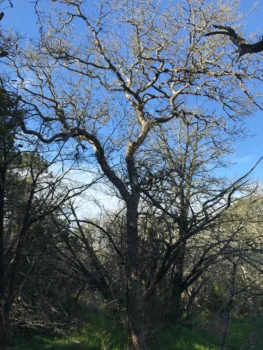
Bastard Oak: A Rare Native Gem Worth Growing Responsibly
Meet the bastard oak (Quercus sinuata), a charming native shrub that’s been quietly thriving in the southeastern United States for centuries. Despite its rather unfortunate common name, this little oak is actually quite the catch for native plant enthusiasts who want something a bit different in their landscape.
What Makes Bastard Oak Special?
Bastard oak is a perennial shrub that typically grows as a multi-stemmed woody plant, usually staying under 13-16 feet tall. What sets it apart from other oaks are its distinctive deeply lobed leaves that create an attractive, almost lacy texture in the landscape. Come fall, these leaves transform into warm yellow-brown tones that add seasonal interest to your garden.
Where Does It Call Home?
This native beauty is found naturally across the southeastern states, including Alabama, Arkansas, Florida, Georgia, Louisiana, Mississippi, Oklahoma, South Carolina, and Texas. It’s perfectly adapted to the climate and growing conditions of these regions, making it an excellent choice for gardeners wanting to support local ecosystems.
- Species observed
- No observations
A Word of Caution: Rarity Matters
Before you rush out to plant bastard oak everywhere, there’s something important to know: this species has a rarity status of S2 in Arkansas, meaning it’s considered imperiled in that state. While this makes it even more special, it also means we need to be responsible about how we grow and source it.
If you’re interested in adding bastard oak to your landscape, please only purchase plants from reputable native plant nurseries that use responsibly sourced material. Never collect plants or seeds from wild populations, as this can harm already vulnerable populations.
Perfect Spots for Your Garden
Bastard oak shines in several landscape settings:
- Native plant gardens where you want to showcase regional flora
- Woodland gardens as an attractive understory shrub
- Xeriscaping projects thanks to its drought tolerance
- Wildlife habitat restoration areas
- Natural areas where you want low-maintenance native plants
Growing Conditions and Care
One of the best things about bastard oak is how easy-going it is once established. Here’s what it prefers:
- Sunlight: Full sun to partial shade
- Soil: Well-drained soils (it’s quite adaptable to different soil types)
- Water: Drought tolerant once established, minimal watering needed
- Climate: Thrives in USDA hardiness zones 7-9
Planting and Care Tips
Getting your bastard oak off to a good start is pretty straightforward:
- Plant nursery-grown specimens rather than trying to grow from seed
- Choose a location with good drainage to prevent root problems
- Water regularly during the first year to help establish the root system
- Once established, it needs very little care or maintenance
- Pruning is rarely necessary, but if needed, do it during dormant season
Wildlife Benefits
Like most native oaks, bastard oak is a valuable addition to wildlife-friendly gardens. While it’s wind-pollinated rather than dependent on bees, it supports the broader ecosystem by hosting various caterpillars that provide essential food for birds. The acorns it produces also feed various wildlife species, making it a great choice for anyone wanting to support local fauna.
Should You Plant Bastard Oak?
If you live within its native range and can source plants responsibly, bastard oak makes an excellent addition to naturalized landscapes. It’s perfect for gardeners who want a low-maintenance native plant that supports local wildlife while adding unique texture and seasonal interest to their space.
Just remember: with great rarity comes great responsibility. By choosing to grow this special native oak, you’re not just adding beauty to your landscape – you’re also helping to preserve a piece of our natural heritage for future generations.