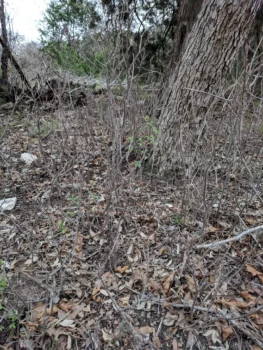
Bastard Oak: A Tough Little Native Worth Getting to Know
Don’t let the unfortunate common name fool you – bastard oak (Quercus sinuata var. breviloba) is actually a pretty fantastic little native tree that deserves a spot in more American gardens. This scrappy member of the oak family might not win any beauty contests, but it’s got character, resilience, and a whole lot of ecological value packed into its compact frame.
What Exactly Is Bastard Oak?
Bastard oak is a native shrubby oak that’s perfectly at home in the hot, dry landscapes of Texas and Oklahoma. Unlike its towering oak cousins, this variety stays relatively small and manageable, typically growing as a multi-stemmed shrub that rarely exceeds 13-16 feet in height. Think of it as the oak family’s answer to good things come in small packages.
This perennial woody plant has quite the collection of alternative names in botanical circles, having been shuffled around and renamed more times than a witness in protection. You might see it listed under synonyms like Quercus breviloba or Quercus annulata, but they’re all referring to the same tough little survivor.
Where Does It Call Home?
This oak variety is a true child of the American South-Central region, native specifically to Oklahoma and Texas. It’s perfectly adapted to the challenging growing conditions of these areas – think blazing summers, unpredictable rainfall, and soils that can be less than forgiving.
- Species observed
- No observations
Why You Might Want to Plant Bastard Oak
Here’s where this little oak really shines: it’s incredibly low-maintenance once established. If you’re tired of babying plants that demand constant attention, this might be your new best friend. Here are some compelling reasons to consider it:
- Extremely drought tolerant – perfect for water-wise landscaping
- Native plant that supports local ecosystems and wildlife
- Low maintenance requirements once established
- Interesting architectural form adds texture to landscapes
- Thrives in challenging conditions where other plants struggle
Where It Fits in Your Landscape
Bastard oak isn’t going to be the star of your formal front yard garden, but it’s absolutely perfect for naturalized areas, wildlife gardens, and xeriscaped landscapes. It’s particularly valuable in:
- Native plant gardens
- Drought-tolerant landscape designs
- Wildlife habitat gardens
- Naturalized or wild garden areas
- Erosion control plantings
Growing Conditions and Care
The beauty of bastard oak lies in its simplicity. This plant thrives in USDA hardiness zones 7-9 and prefers full sun to partial shade. It’s not particularly picky about soil type, though it does appreciate good drainage – soggy feet are about the only thing that might discourage this tough customer.
Here are the basics for successful growing:
- Plant in well-draining soil
- Provide full sun to partial shade
- Water regularly during the first growing season to establish roots
- After establishment, minimal supplemental watering needed
- Pruning is rarely necessary due to its naturally compact growth habit
The Wildlife Connection
Like all oaks, bastard oak is an ecological powerhouse. It provides food and habitat for numerous insects, which in turn support birds and other wildlife. The acorns, though small, are appreciated by various small mammals and birds. If you’re interested in supporting local biodiversity, this native oak is an excellent choice.
Is Bastard Oak Right for You?
This plant is ideal for gardeners who appreciate native plants, want to support local wildlife, and prefer low-maintenance landscaping. It’s particularly well-suited for those dealing with challenging growing conditions like drought, heat, or poor soils.
However, if you’re looking for a formal specimen tree or something with showy flowers, you might want to look elsewhere. Bastard oak is all about understated resilience rather than flashy beauty.
In the end, bastard oak might not have the most flattering name, but it’s got the heart of a champion and the backbone to thrive where others fail. For the right garden and the right gardener, it’s a small but mighty addition that proves native plants don’t have to be high-maintenance to be high-value.