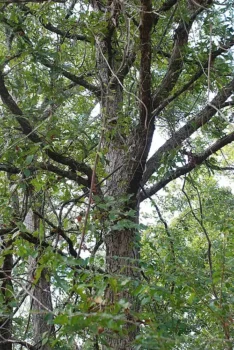
Bastard White Oak: A Hidden Gem for Southern Native Gardens
If you’re looking to add a distinctive native tree to your Southern landscape, the bastard white oak (Quercus austrina) might just be the perfect choice. Don’t let the unfortunate common name fool you – this southeastern beauty is anything but illegitimate when it comes to providing ecological value and natural charm to your garden.
What Makes the Bastard White Oak Special?
The bastard white oak is a true native treasure, belonging exclusively to the lower 48 states of America. This deciduous tree typically grows as a single-trunked specimen, reaching heights of 13-16 feet or more under ideal conditions. Like other members of the oak family, it’s a long-lived perennial that will become a lasting legacy in your landscape.
Where Does It Call Home?
This oak species has a relatively limited native range, naturally occurring across six southeastern states: Alabama, Florida, Georgia, Mississippi, North Carolina, and South Carolina. It’s perfectly adapted to the climate and growing conditions of the southeastern coastal plain region.
- Species observed
- No observations
Important Conservation Note
Before you rush out to plant one, here’s something important to know: the bastard white oak has a rarity status of S1 in Arkansas bluff areas, meaning it’s critically imperiled in that region. If you’re interested in growing this species, please ensure you source your tree from reputable nurseries that use responsibly collected seeds or ethically propagated stock. Never collect from wild populations.
Growing Conditions and Care
The bastard white oak thrives in USDA hardiness zones 7-9, making it suitable for most of the southeastern United States. Here are the key growing requirements:
- Sunlight: Full sun to partial shade
- Soil: Well-drained soils of various types
- Water: Drought tolerant once established, but benefits from regular watering during establishment
- Space: Allow plenty of room for mature size – this isn’t a tree for small yards
Planting and Care Tips
Like most oaks, the bastard white oak is relatively low-maintenance once established. Plant young trees in spring or fall when temperatures are moderate. Dig a hole twice as wide as the root ball but no deeper, and water regularly for the first two years while the tree establishes its root system.
Mulching around the base (but not touching the trunk) will help retain moisture and suppress weeds. Pruning is generally minimal – just remove dead, damaged, or crossing branches during the dormant season.
Landscape Uses and Design Ideas
The bastard white oak works beautifully as:
- A specimen tree in larger landscapes
- Part of a native woodland garden
- A shade tree for naturalistic settings
- An anchor plant in native habitat restoration projects
This tree is best suited for properties with ample space, as it needs room to spread and grow to its full potential. It’s not the right choice for small urban lots or tight spaces.
Wildlife and Ecological Benefits
As a native oak species, the bastard white oak supports local ecosystems in multiple ways. While it’s wind-pollinated rather than bee-pollinated, it provides valuable habitat for birds and other wildlife. The acorns feed various animals, and the tree’s canopy offers nesting sites and shelter.
Should You Plant One?
If you have a large property in the southeastern United States and want to support native biodiversity, the bastard white oak could be an excellent choice. Just remember to source it responsibly due to its conservation status in some areas. This tree rewards patient gardeners with decades of natural beauty and ecological value.
For smaller spaces or different regions, consider other native oak species that might be more readily available and better suited to your specific conditions. Your local native plant society or extension office can help you identify the best oak species for your particular location and garden size.