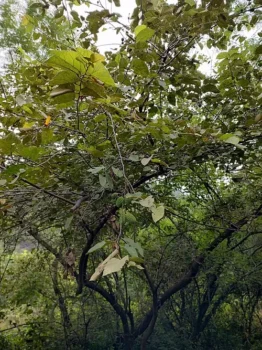
Bastardcedar: A Resilient Native Treasure for Tropical Gardens
If you’re gardening in the Caribbean or other tropical regions and looking for a hardy, low-maintenance native plant, let me introduce you to bastardcedar (Guazuma ulmifolia). Despite its somewhat unfortunate common name, this resilient shrub or small tree deserves serious consideration for your landscape.
What is Bastardcedar?
Bastardcedar is a perennial woody plant that typically grows as a multi-stemmed shrub, usually reaching heights of 13 to 16 feet, though it can grow taller under ideal conditions. This adaptable plant belongs to the mallow family and has earned its place as a valuable addition to tropical and subtropical gardens.
Where Does Bastardcedar Call Home?
This species is native to Puerto Rico and the U.S. Virgin Islands, making it an excellent choice for gardeners in these regions who want to support local ecosystems. Beyond these islands, bastardcedar’s native range extends throughout much of tropical America, from the Caribbean through Central America and into parts of South America.
- Species observed
- No observations
Why Consider Bastardcedar for Your Garden?
There are several compelling reasons to give this native plant a spot in your landscape:
- Low maintenance: Once established, bastardcedar is remarkably drought-tolerant and requires minimal care
- Adaptable: It can handle poor soils and challenging growing conditions
- Pollinator-friendly: The small, yellowish flowers attract bees and other beneficial pollinators
- Interesting texture: Heart-shaped leaves with a rough texture add visual interest
- Multi-functional: Works well as a specimen plant, windbreak, or shade provider
Growing Conditions and Care
Bastardcedar is refreshingly easy to please when it comes to growing conditions. Here’s what you need to know:
Climate: This plant thrives in USDA hardiness zones 10-12, as it’s sensitive to frost. If you’re in a cooler climate, it’s not the right choice for your garden.
Light requirements: Bastardcedar adapts well to both full sun and partial shade, making it versatile for different garden locations.
Soil needs: While it prefers well-draining soil, this tough plant can tolerate poor soil conditions that might challenge other species.
Water requirements: Young plants need regular watering to establish, but mature bastardcedar is quite drought-tolerant.
Perfect Garden Settings
Bastardcedar shines in tropical and subtropical landscape designs. Consider it for:
- Coastal gardens where salt tolerance is important
- Native plant gardens focused on Caribbean species
- Low-water or xerophytic landscapes
- Mixed shrub borders where you need reliable, low-maintenance plants
- Areas where you want to provide habitat for local pollinators
Planting and Care Tips
Getting bastardcedar established in your garden is straightforward:
- Timing: Plant during the warmer months when frost danger has passed
- Spacing: Give plants adequate room to spread, typically 8-10 feet apart
- Initial care: Water regularly during the first growing season to help establish strong roots
- Ongoing maintenance: Minimal pruning needed; remove dead or damaged branches as necessary
- Fertilization: Generally not necessary due to the plant’s adaptability to poor soils
Supporting Local Wildlife
As a native species, bastardcedar provides important benefits to local ecosystems. The flowers support native pollinators, and the plant’s structure can provide nesting sites and shelter for various wildlife species.
The Bottom Line
If you’re gardening in Puerto Rico, the U.S. Virgin Islands, or other suitable tropical locations, bastardcedar offers an excellent combination of low maintenance, native status, and ecological benefits. It’s particularly valuable for gardeners who want to create sustainable landscapes that support local wildlife while requiring minimal inputs.
While the name might not win any beauty contests, bastardcedar’s practical benefits and native credentials make it a worthy addition to the tropical gardener’s palette. Sometimes the most valuable plants are the ones that quietly do their job without demanding constant attention – and that’s exactly what makes bastardcedar special.