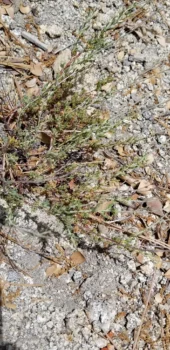
Bastardsage: A Lesser-Known California Native Worth Discovering
Meet bastardsage (Eriogonum wrightii var. membranaceum), a charming California native that might just be the hidden gem your garden has been waiting for. While this perennial herb may not have the flashiest name in the plant kingdom, it brings authentic California character to any landscape design.
What Makes Bastardsage Special?
Bastardsage belongs to the buckwheat family and is classified as a forb herb – essentially a vascular plant that stays soft and herbaceous rather than developing woody stems. As a perennial, this California native will return year after year, making it a reliable addition to your garden once established.
This plant is native to California and represents the kind of authentic, locally-adapted species that savvy gardeners are increasingly seeking out. When you plant bastardsage, you’re not just adding another flower to your garden – you’re connecting your landscape to the natural heritage of the Golden State.
- Species observed
- No observations
Why Consider Bastardsage for Your Garden?
Native plants like bastardsage offer several compelling advantages:
- Water-wise gardening: As a California native, bastardsage is naturally adapted to local rainfall patterns and soil conditions
- Low maintenance: Once established, native perennials typically require less fussing than non-native alternatives
- Ecological value: Native plants support local wildlife and contribute to biodiversity
- Authentic landscape character: Creates gardens that feel naturally connected to their environment
The Challenge with Bastardsage
Here’s where things get interesting – and a bit challenging. Bastardsage is what we might call a botanical introvert. This particular variety of Eriogonum wrightii doesn’t have a wealth of readily available growing information, which means it’s likely either quite rare in cultivation or has very specific habitat requirements that limit its garden use.
What We Know About Growing Bastardsage
While specific cultivation details for this variety are limited, we can make some educated assumptions based on its botanical family and native habitat:
- Climate: Being a California native, it likely prefers Mediterranean-type conditions with dry summers
- Soil: Most buckwheat family plants prefer well-draining soils and can handle poor or rocky conditions
- Water: Probably drought-tolerant once established, following typical California native patterns
- Sun exposure: Likely prefers full sun to partial shade
Should You Plant Bastardsage?
The honest answer is: it depends on your gardening goals and patience level. If you’re someone who loves rare plants and enjoys the challenge of working with less common species, bastardsage might be right up your alley. However, if you’re looking for reliable garden performers with well-documented growing requirements, you might want to consider other California natives first.
If you do decide to try bastardsage, make sure to source it responsibly from reputable native plant nurseries or botanical gardens. Given the limited information available, this plant may have specific habitat needs or conservation considerations.
Alternative California Natives to Consider
If bastardsage proves difficult to find or grow, consider these other California native buckwheats that are more readily available and better documented:
- California buckwheat (Eriogonum fasciculatum)
- Santa Barbara daisy (Erigeron karvinskianus)
- Other local native perennial herbs suited to your specific region
The Bottom Line
Bastardsage represents the fascinating world of California’s native plant diversity – some species are garden superstars, while others remain botanical mysteries waiting for the right gardener to unlock their secrets. Whether you choose to take on the challenge of growing this lesser-known native or opt for more established alternatives, you’ll be contributing to the important work of creating gardens that celebrate and support California’s natural heritage.