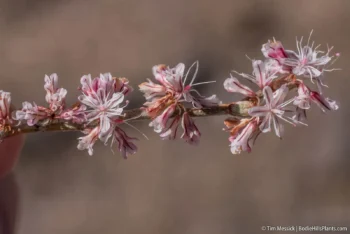
Bastardsage: A Hardy Native Wildflower for Water-Wise Gardens
Meet bastardsage (Eriogonum wrightii var. subscaposum), a resilient native perennial that’s perfectly suited for gardeners looking to create sustainable, low-maintenance landscapes. This unassuming wildflower might not win any beauty contests at first glance, but don’t let its humble appearance fool you – it’s a garden workhorse that delivers reliability, drought tolerance, and pollinator support in spades.
What Is Bastardsage?
Bastardsage is a perennial forb, meaning it’s a non-woody flowering plant that returns year after year. As part of the buckwheat family (Polygonaceae), it shares the hardy characteristics that make this plant group so valuable in challenging growing conditions. This particular variety is a subspecies of Wright’s buckwheat, adapted to specific regional conditions in the American Southwest.
Where Does Bastardsage Grow Naturally?
This native beauty calls California and Nevada home, where it has evolved to thrive in the region’s challenging desert and semi-desert conditions. As a plant native to the lower 48 states, bastardsage represents the kind of locally adapted flora that formed the backbone of pre-settlement ecosystems.
- Species observed
- No observations
Why Consider Bastardsage for Your Garden?
If you’re tired of coddling thirsty plants or battling with species that just won’t cooperate with your local climate, bastardsage might be your new best friend. Here’s what makes it special:
- Drought champion: Once established, this plant shrugs off dry spells that would wilt less adapted species
- Native heritage: Supporting local ecosystems while reducing maintenance needs
- Pollinator magnet: Small but numerous flowers attract butterflies, bees, and other beneficial insects
- Low maintenance: Minimal care requirements once established
- Perennial reliability: Returns year after year without replanting
Garden Design Ideas
Bastardsage shines in water-wise garden designs where its subtle beauty can complement showier natives. Consider using it as:
- Groundcover in rock gardens or xeriscapes
- Supporting cast in native plant borders
- Natural-looking filler in wildflower meadows
- Erosion control on slopes or challenging sites
Growing Bastardsage Successfully
The beauty of working with native plants like bastardsage lies in their inherent compatibility with local conditions. Here’s how to set them up for success:
Ideal Growing Conditions
- Sunlight: Full sun exposure for best performance
- Soil: Well-draining soil is essential – avoid heavy, water-retentive soils
- Water: Drought tolerant once established; minimal supplemental watering needed
- Climate zones: Best suited for USDA zones 7-10, matching its native range
Planting and Care Tips
Getting bastardsage established is straightforward when you work with its natural preferences:
- Timing: Plant in fall or early spring for best establishment
- Spacing: Allow adequate room for mature spread
- Initial watering: Provide regular water during the first growing season to establish roots
- Ongoing care: Once established, step back and let nature take over – overwatering is more harmful than neglect
- Soil preparation: Improve drainage in heavy soils by adding coarse sand or gravel
Supporting Local Ecosystems
By choosing bastardsage, you’re not just adding another plant to your garden – you’re rebuilding habitat. Native plants like this one provide the specific resources that local wildlife populations have depended on for thousands of years. The flowers may be small, but they’re perfectly designed to support the pollinators that have co-evolved with them.
Is Bastardsage Right for Your Garden?
Bastardsage is an excellent choice if you’re gardening in California or Nevada and want to embrace water-wise, ecologically supportive landscaping. It’s particularly well-suited for gardeners who appreciate subtle beauty over flashy displays and prefer plants that thrive with minimal intervention.
However, if you’re looking for dramatic color displays or plants that provide structure in formal gardens, you might want to pair bastardsage with more architecturally striking natives or use it as a supporting player rather than a star performer.
For gardeners committed to supporting native ecosystems while reducing maintenance demands, bastardsage offers a perfect combination of ecological value and garden practicality. Sometimes the best garden plants are the ones that simply do their job reliably, year after year, without asking for much in return.