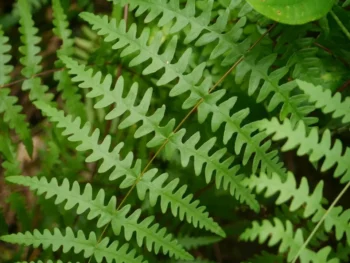
Batwing Fern: A Tropical Beauty for Shady Gardens
If you’re looking for a distinctive fern to add some tropical flair to your shaded garden spaces, the batwing fern (Histiopteris incisa) might just be the perfect choice. This charming perennial fern gets its memorable common name from the unique shape of its fronds, which resemble the outstretched wings of a bat in flight.
What Makes the Batwing Fern Special?
The batwing fern is a fascinating member of the fern family that brings a touch of the tropics to any garden. Unlike flowering plants, this fern reproduces through spores rather than seeds, making it an ancient and resilient addition to your landscape. Its deeply divided, lacy fronds create beautiful texture and movement in shaded areas where many other plants struggle to thrive.
Where Does It Come From?
This lovely fern is native to tropical regions including the Pacific Basin, Puerto Rico, and can be found growing naturally in places like Guam and Palau. In its native habitat, it thrives in the understory of tropical forests, where it has adapted to filtered light and consistently moist conditions.
- Species observed
- No observations
Is the Batwing Fern Right for Your Garden?
The batwing fern can be a wonderful addition to the right garden setting. Here’s what makes it beneficial:
- Creates beautiful texture and visual interest in shaded areas
- Helps establish a tropical or exotic garden aesthetic
- Works well as groundcover in naturalistic plantings
- Adds year-round greenery in warm climates
- Requires minimal maintenance once established
Identifying Batwing Fern
You can recognize batwing fern by its distinctive fronds that are deeply divided and triangular in shape, resembling bat wings. The fronds emerge from underground rhizomes and create a delicate, lacy appearance. As a perennial, it will return year after year in suitable climates, gradually spreading to form attractive colonies.
Growing Conditions and Care
If you live in USDA hardiness zones 9-11, you might be able to successfully grow batwing fern outdoors. This tropical beauty has some specific preferences:
- Partial to full shade – direct sunlight can scorch the delicate fronds
- Consistently moist, well-draining soil
- High humidity levels
- Protection from strong winds
- Warm temperatures year-round
The batwing fern has facultative wetland status, meaning it can handle both wet and moderately dry conditions, though it generally prefers consistent moisture. This makes it quite adaptable within its preferred climate range.
Garden Design Ideas
Consider using batwing fern in these garden settings:
- Tropical or subtropical garden themes
- Shaded borders and woodland gardens
- Around water features where humidity is naturally higher
- Container gardens in cooler climates (bring indoors for winter)
- Naturalistic plantings that mimic forest understories
The Bottom Line
While batwing fern may not be suitable for every garden due to its specific climate requirements, it’s a fantastic choice for gardeners in warm, humid regions who want to add tropical character to their shaded spaces. Its unique appearance and relatively low maintenance needs make it a rewarding plant for the right setting. If you’re outside its preferred zones, consider growing it in containers that can be moved indoors during cooler months, or look for similar native fern species that might be better suited to your local climate.