Baybean: The Coastal Native That’s Perfect for Seaside Gardens
Meet baybean (Canavalia rosea), a delightful native plant that’s basically the beach bum of the gardening world – and we mean that in the best possible way! This tough-as-nails perennial herb has mastered the art of coastal living, making it an absolute gem for gardeners dealing with sandy soils, salt spray, and scorching sun.
What Makes Baybean Special?
Baybean goes by the botanical name Canavalia rosea, though you might occasionally see it listed under old synonyms like Canavalia lineata or Canavalia maritima. This native beauty is a forb herb, which means it’s a non-woody perennial that comes back year after year without developing significant woody stems.
What really sets baybean apart is its incredible adaptability. As a facultative wetland plant, it’s equally happy in wet or dry conditions, making it one of those rare plants that just goes with the flow.
Where Does Baybean Call Home?
This all-American native has quite the impressive resume when it comes to geography. You’ll find baybean naturally growing throughout the southeastern United States, including Alabama, Florida, Louisiana, Mississippi, and Texas. It’s also native to Puerto Rico, the U.S. Virgin Islands, and various Pacific Basin locations including Guam and Palau.
- Species observed
- No observations
Why Your Garden Will Love Baybean
If you’re looking for a plant that combines beauty with brawn, baybean delivers on both fronts. Here’s what makes it such a winner:
- Stunning flowers: Purple to pink pea-like blooms that attract bees and butterflies
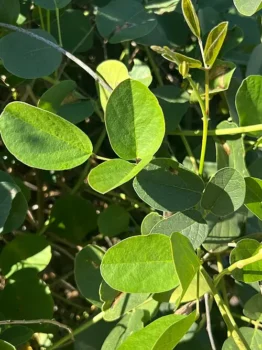
- Attractive foliage: Glossy green compound leaves with three leaflets
- Interesting seed pods: Large brown pods that add architectural interest
- Ground cover prowess: Excellent for covering large areas naturally
- Erosion control: Perfect for stabilizing sandy soils
Perfect Garden Matches
Baybean shines brightest in coastal gardens where other plants might struggle. It’s ideally suited for:
- Seaside landscapes and beach properties
- Xeriscaping and drought-tolerant gardens
- Naturalized areas and native plant gardens
- Erosion control projects on slopes or sandy areas
- Low-maintenance landscape designs
Growing Baybean Successfully
The beauty of baybean lies in its simplicity. This plant practically grows itself once you give it the right conditions:
Climate Requirements: Baybean thrives in USDA hardiness zones 9-11, so it’s perfect for warm, subtropical climates.
Sunlight: Give it full sun for the best flowering and growth.
Soil: Sandy, well-draining soils are its absolute favorite, though it’s surprisingly adaptable to different soil types.
Water: Once established, baybean is remarkably drought tolerant, though it can handle wet conditions too thanks to its facultative wetland status.
Salt Tolerance: This coastal native laughs in the face of salt spray and sandy conditions that would stress other plants.
Planting and Care Tips
Getting baybean established in your garden is refreshingly straightforward:
- Planting: Direct seed in spring when soil temperatures warm up
- Spacing: Give plants room to spread as they naturally form a ground-covering mat
- Watering: Water regularly during establishment, then back off once the plant is settled
- Maintenance: Minimal care required! Prune to control spread if needed
- Fertilizing: Generally unnecessary – this plant prefers lean soils
Wildlife and Pollinator Benefits
Your local ecosystem will thank you for planting baybean. The purple-pink flowers are magnets for bees and butterflies, providing important nectar sources in coastal environments where flowering plants can be scarce. The dense ground cover also provides habitat for small wildlife.
The Bottom Line
Baybean is one of those wonderful native plants that proves you don’t need to work hard to have a beautiful garden – sometimes you just need to work smart. If you’re gardening in zones 9-11, especially in coastal areas, baybean deserves serious consideration. It’s tough, beautiful, low-maintenance, and supports local wildlife. What more could you ask for in a native plant?
Whether you’re battling sandy soils, salt spray, or just want a reliable ground cover that won’t quit on you, baybean might just become your new gardening best friend. Give this coastal native a try – your garden (and the local pollinators) will thank you!