Bayonet Rush: The Unsung Hero of Wetland Gardens
If you’re looking to create a thriving wetland garden or need a reliable native plant for those perpetually soggy spots in your yard, meet your new best friend: bayonet rush (Juncus militaris). This hardy perennial might not win any beauty contests, but it’s absolutely essential for anyone serious about native wetland gardening.
What Exactly Is Bayonet Rush?
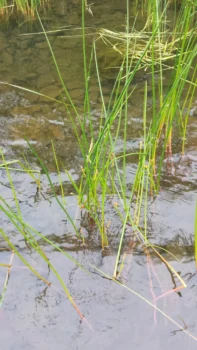
Bayonet rush is a grass-like perennial that belongs to the rush family (Juncaceae). Don’t let the grass-like description fool you though – rushes are quite different from true grasses. This native North American plant forms dense colonies of upright, cylindrical stems that can create striking vertical texture in the landscape.
As a true wetland specialist, bayonet rush has earned Obligate Wetland status across all regions where it grows. This means you’ll almost always find it thriving in consistently wet conditions – it’s basically the plant equivalent of a fish that needs water to survive.
Where Does Bayonet Rush Call Home?
This adaptable native spans an impressive range across eastern North America. You’ll find bayonet rush growing naturally throughout the Maritime provinces of Canada (New Brunswick, Nova Scotia, Prince Edward Island, and Newfoundland) as well as Ontario. In the United States, its range extends from Maine down to Pennsylvania and west to Michigan and Indiana, with healthy populations in all the New England states, New York, New Jersey, Delaware, and Maryland.
- Species observed
- No observations
Why Your Garden Might Need Bayonet Rush
Let’s be honest – bayonet rush isn’t going to be the star of your flower border. But if you have challenging wet areas or want to create authentic wetland habitat, this plant is invaluable. Here’s why:
- Erosion control champion: Those spreading rhizomes create a dense root system that holds soil together beautifully
- Low maintenance: Once established, it pretty much takes care of itself
- Wildlife habitat: Provides cover and nesting material for wetland birds and other wildlife
- Authentic native landscaping: Perfect for restoration projects and naturalized areas
- Cold hardy: Thrives in USDA zones 3-7, handling harsh winters like a champ
Perfect Garden Settings for Bayonet Rush
This isn’t a plant for formal perennial borders or dry rock gardens. Bayonet rush excels in:
- Rain gardens and bioswales
- Pond and stream margins
- Wetland restoration projects
- Bog gardens
- Naturalized meadow areas with consistent moisture
- Areas with seasonal flooding
Growing Bayonet Rush Successfully
The secret to happy bayonet rush? Think wet feet, happy plant. Here’s what this wetland warrior needs:
Light Requirements: Full sun to partial shade works well, though it tends to be more robust in sunnier locations.
Soil Needs: Consistently moist to wet soils are essential. It tolerates everything from sandy wetland soils to heavier clay, as long as moisture is consistent. Seasonal flooding? No problem!
Spacing: Plant 12-18 inches apart if you want quick coverage, but remember – this plant spreads by rhizomes and will fill in naturally over time.
Planting and Care Tips
Bayonet rush is refreshingly low-maintenance once you get it established:
- Best planting time: Spring or early fall when soil moisture is naturally higher
- Establishment: Keep consistently moist (shouldn’t be hard given its preferred locations!) for the first growing season
- Annual care: Cut back old stems in late winter or early spring before new growth emerges
- Fertilizing: Generally unnecessary – wetland soils typically provide adequate nutrition
- Pest problems: Virtually none when grown in appropriate conditions
A Word About Expectations
Let’s set realistic expectations here. Bayonet rush won’t give you showy flowers or brilliant fall color. What it will give you is reliable, authentic native plant coverage in challenging wet areas where many other plants would simply give up and rot. It’s the dependable friend of the plant world – maybe not flashy, but absolutely trustworthy.
If you’re working with wetland areas, creating rain gardens, or simply want to support native ecosystems in wet spots around your property, bayonet rush deserves serious consideration. Sometimes the most valuable plants are the ones that quietly do their job while supporting the bigger ecological picture.
Your local wetland wildlife will thank you, even if your neighbors don’t immediately understand why you’re so excited about a grass-like plant. But that’s okay – we native plant enthusiasts know that the best gardens aren’t always about the showiest specimens!