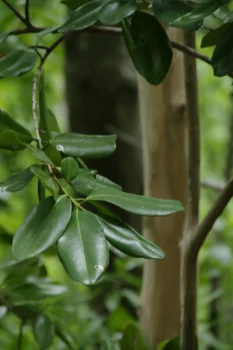
Bay Rum Tree: The Fragrant Caribbean Native That’s Worth Growing
If you’re looking for a plant that brings both beauty and incredible fragrance to your garden, meet the bay rum tree (Pimenta racemosa). This aromatic evergreen shrub is like having your own personal aromatherapy session right in your backyard – just brush against its leaves and you’ll be treated to an intoxicating spicy-sweet scent that’s been prized for centuries.
What Makes Bay Rum Tree Special
The bay rum tree is a true Caribbean native, calling Puerto Rico and the U.S. Virgin Islands home. This perennial shrub typically grows as a multi-stemmed woody plant, usually staying under 13-16 feet tall, though it can occasionally stretch taller or develop a single trunk depending on growing conditions. What really sets it apart is those glossy, leathery leaves that release their signature fragrance when touched – it’s the same scent used in traditional bay rum aftershave and cologne.
Where You’ll Find It Growing Wild
In its native habitat, you’ll find bay rum tree thriving in Puerto Rico and the Virgin Islands, where it’s perfectly adapted to the warm, tropical climate. The plant has a facultative wetland status in Hawaii, meaning it’s flexible enough to grow in both wetland and non-wetland areas – a testament to its adaptability.
- Species observed
- No observations
Garden Appeal and Landscape Role
This isn’t just a sniff and smile plant – bay rum tree brings genuine ornamental value to the right garden setting. The small, creamy white flowers appear in delicate clusters, creating a lovely contrast against the dark green foliage. These blooms are followed by small dark berries that add another layer of visual interest.
In landscape design, bay rum tree works beautifully as:
- A specimen plant where its fragrance can be appreciated up close
- Part of a Caribbean or tropical-themed garden
- An aromatic border planting near walkways or seating areas
- A conversation starter in herb or fragrance gardens
The Pollinator Connection
Those charming white flower clusters aren’t just for show – they’re bee magnets! Bay rum tree provides valuable nectar for bees and other pollinators, making it a great choice for gardeners who want to support local pollinator populations while enjoying a fragrant addition to their landscape.
Growing Conditions and Care
Here’s the catch – bay rum tree is strictly a warm-climate plant. It’s only hardy in USDA zones 10-11, which means unless you live in the southernmost parts of Florida, Hawaii, or similar tropical/subtropical areas, this beauty will need to be grown as a container plant that comes indoors during winter.
For successful growing, bay rum tree prefers:
- Full sun to partial shade
- Well-draining soil (it doesn’t like wet feet despite its facultative wetland status)
- Regular watering during the growing season
- Protection from cold temperatures
- Warm, humid conditions year-round
Planting and Care Tips
If you’re in the right climate zone, plant your bay rum tree in spring after any danger of cold weather has passed. Choose a location where you can easily enjoy its fragrance – near a patio, walkway, or window. The plant responds well to light pruning to maintain its shape and size.
For container growing in colder climates, use a large pot with excellent drainage and bring the plant indoors when temperatures drop below about 50°F. A sunny window or greenhouse works well for overwintering.
Is Bay Rum Tree Right for Your Garden?
Bay rum tree is perfect for gardeners who:
- Live in tropical or subtropical climates (zones 10-11)
- Love fragrant plants and aromatherapy
- Want to support native Caribbean flora
- Enjoy unique, conversation-starting plants
- Are willing to grow container plants in colder areas
However, it might not be the best choice if you’re in a cold climate and don’t want to deal with bringing plants indoors, or if you prefer low-maintenance plants that don’t require specific growing conditions.
For those lucky enough to garden in the right climate, bay rum tree offers a wonderful combination of native heritage, pollinator benefits, and that irresistible fragrance that makes every trip to the garden a sensory delight. Just remember to plant it somewhere you can easily reach out and give those leaves a gentle brush – trust us, you’ll want to!