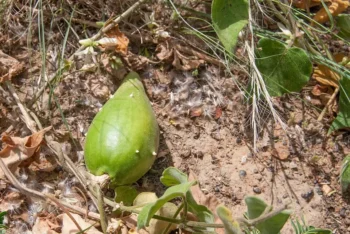
Beach Milkvine: A Coastal Native That Thrives Where Others Struggle
If you’re gardening in Puerto Rico or the U.S. Virgin Islands and struggling to find plants that can handle salty air, sandy soil, and scorching sun, let me introduce you to a true coastal champion: beach milkvine (Matelea maritima). This unassuming native vine might not win any beauty contests, but it’s got the kind of resilience that makes coastal gardeners do a happy dance.
What Exactly Is Beach Milkvine?
Beach milkvine is a perennial herbaceous vine that’s native to the coastal areas of Puerto Rico and the U.S. Virgin Islands. As a member of the milkweed family, it’s got that characteristic milky sap and produces those distinctive fluffy seeds that drift on the wind like tiny parachutes. You might also see it listed under its scientific synonyms Cynanchum maritimum or Ibatia maritima in older gardening references.
This plant grows naturally along coastlines, which tells you everything you need to know about its preferred growing conditions. It’s adapted to handle what Mother Nature throws at seaside plants: salt spray, sandy soil, intense sun, and the occasional drought.
- Species observed
- No observations
Why Your Coastal Garden Needs This Tough Cookie
Let’s be honest – beach milkvine isn’t going to stop traffic with its looks. The flowers are small and greenish-white, more charming than showy. But here’s why you should give this humble vine a chance in your garden:
- Salt tolerance: Thrives in coastal conditions that would make other plants throw in the towel
- Low maintenance: Once established, it practically takes care of itself
- Native support: Provides food and habitat for local wildlife and insects
- Drought resilience: Handles dry spells like a champ
- Erosion control: Helps stabilize sandy soils with its root system
The Perfect Coastal Garden Companion
Beach milkvine works best in coastal gardens, xeriscaped landscapes, and native plant gardens throughout USDA zones 10-11. It’s particularly valuable in:
- Seaside cottage gardens where salt-tolerant plants are essential
- Native wildlife gardens supporting local ecosystems
- Low-water landscapes where drought tolerance is key
- Naturalized areas where you want minimal intervention plants
As a vine, beach milkvine can serve multiple roles in your landscape design. Let it scramble along the ground as a living mulch, train it up a trellis for vertical interest, or allow it to weave through other coastal natives for a naturalized look.
Growing Beach Milkvine Successfully
The good news? Beach milkvine is refreshingly easy to grow if you’re in its preferred climate zones. Here’s what you need to know:
Light Requirements: Full sun to partial shade – it’s flexible but performs best with plenty of sunshine.
Soil Needs: Well-draining, sandy soils are ideal. It actually prefers the kind of poor coastal soil that makes other plants struggle. Avoid heavy, water-retentive soils that can cause root problems.
Watering: Water regularly during establishment, then back off. Once settled in, this plant is remarkably drought-tolerant and can handle extended dry periods.
Maintenance: Minimal pruning needed, though you can trim it back to control its spread or encourage bushier growth. If you’re growing it as a climber, provide some initial support until it gets established.
Wildlife Benefits Worth Celebrating
While we don’t have extensive data on all the wildlife that beach milkvine supports, its membership in the milkweed family suggests it likely provides nectar for various insects and possibly supports butterfly larvae. Native plants like this are typically important components of local ecosystems, offering food sources and habitat that non-native plants simply can’t match.
Is Beach Milkvine Right for Your Garden?
Beach milkvine is an excellent choice if you’re gardening in its native range of Puerto Rico or the U.S. Virgin Islands, especially if you’re dealing with challenging coastal conditions. It’s perfect for gardeners who appreciate the beauty of resilient, low-maintenance native plants that support local wildlife.
However, if you’re looking for showy flowers or dramatic foliage, you might want to pair beach milkvine with more ornamental plants rather than relying on it as a solo act. Think of it as the reliable supporting player that makes the whole garden ecosystem work better.
For gardeners outside its native range, consider exploring native milkvines in your own region – there’s likely a local species that offers similar benefits while being perfectly adapted to your specific climate and conditions.