Beach Saltbush: A Tough-as-Nails Native for Challenging Gardens
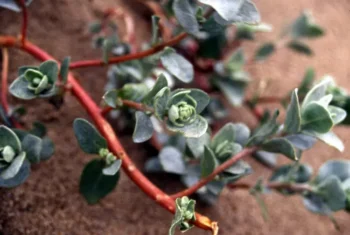
If you’re looking for a plant that laughs in the face of drought, salty air, and poor soil, meet your new garden hero: beach saltbush (Atriplex leucophylla). This unassuming native shrub might not win any beauty contests, but it’s the ultimate survivor that deserves a spot in every water-wise garden.
What Is Beach Saltbush?
Beach saltbush is a perennial native shrub that calls the Pacific Coast home. Don’t let the name fool you – while it loves coastal conditions, this adaptable plant can thrive in a variety of challenging environments. It’s a low-growing shrub that typically stays under 1.5 feet tall, though it can occasionally reach up to 3 feet at maturity.
Where Does It Grow Naturally?
This hardy native is found naturally along the coasts of California and Oregon, where it has adapted to some pretty tough conditions. From sandy beaches to rocky bluffs, beach saltbush has learned to make the most of what nature throws at it.
- Species observed
- No observations
Why You’ll Love Beach Saltbush in Your Garden
Here’s where beach saltbush really shines – it’s practically maintenance-free once established. The silvery-gray foliage creates a lovely textural contrast in the garden, and its compact, mounded form makes it perfect for:
- Ground cover in difficult areas
- Erosion control on slopes
- Drought-tolerant landscaping
- Coastal gardens where salt spray is an issue
- Native plant gardens
- Rock gardens and xeriscapes
The Perfect Garden Companion
Beach saltbush isn’t a showstopper on its own, but it’s an excellent supporting player. Its neutral silvery tones complement more colorful natives beautifully, and its low-maintenance nature makes it ideal for gardeners who want to spend more time enjoying their space than fussing over it.
Growing Conditions That Make It Happy
One of the best things about beach saltbush is how adaptable it is. Here’s what it prefers:
- Sun: Full sun is best
- Soil: Well-draining sandy or alkaline soils (it actually prefers poor soil!)
- Water: Very drought tolerant once established
- Salt tolerance: Excellent – perfect for coastal areas
- USDA Hardiness Zones: 8-10
Planting and Care Tips
Beach saltbush is refreshingly easy to grow. Here’s how to get started:
- Plant in spring after the last frost
- Choose a sunny spot with good drainage
- Water regularly the first year to establish roots
- After establishment, water sparingly – this plant actually prefers to stay on the dry side
- Light pruning can help maintain shape, but it’s not necessary
- Fertilizer? Skip it – this plant thrives on neglect
Special Considerations
Beach saltbush has a facultative wetland status, meaning it can handle both wet and dry conditions, though it definitely prefers the dry side once established. While it’s not a major pollinator magnet (it’s wind-pollinated), it does provide habitat and food for various wildlife species.
The Bottom Line
Beach saltbush might not be the flashiest plant in the garden center, but it’s exactly what you need if you’re dealing with challenging growing conditions. Whether you’re gardening in a coastal area, trying to reduce water usage, or just want a reliable native that won’t give you any grief, this tough little shrub has got your back. Sometimes the best plants are the ones that quietly do their job without any drama – and beach saltbush is definitely one of those garden heroes.