Beach Sandmat: A Rare Hawaiian Treasure for Your Coastal Garden
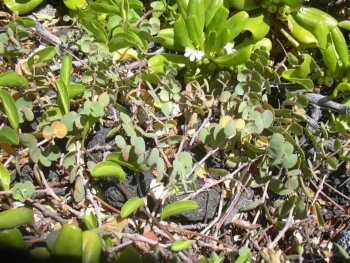
Meet beach sandmat (Chamaesyce degeneri), a charming little Hawaiian native that’s as tough as it is rare. This unassuming perennial shrub might not win any beauty contests, but it’s got character in spades and plays a vital role in Hawaii’s coastal ecosystems.
What Makes Beach Sandmat Special?
Beach sandmat is a low-growing, multi-stemmed shrub that rarely gets taller than a few feet. Think of it as nature’s answer to a living carpet – it spreads along the ground with succulent-like leaves and tiny, inconspicuous flowers. While it won’t stop traffic with flashy blooms, there’s something beautifully understated about its dense, mat-forming growth habit.
This little survivor is endemic to Hawaii, meaning you won’t find it growing wild anywhere else on Earth. It’s perfectly adapted to coastal life, thriving in sandy soils and salty air where many other plants would throw in the towel.
Where Does Beach Sandmat Call Home?
Beach sandmat is found exclusively in Hawaii, where it grows naturally on beaches, coastal dunes, and dry slopes near the ocean. It’s a true island endemic that has evolved specifically for Hawaii’s unique coastal conditions.
- Species observed
- No observations
Important Conservation Note
Here’s where we need to have a serious conversation: beach sandmat has a Global Conservation Status of S3, which means it’s considered vulnerable. With only an estimated 21 to 100 occurrences or between 3,000 and 10,000 individuals remaining in the wild, this plant is walking a tightrope toward extinction.
If you’re interested in growing beach sandmat, please – and we can’t stress this enough – only obtain plants from reputable native plant nurseries or conservation organizations. Never collect from wild populations, as this could push an already vulnerable species closer to the edge.
Why Consider Beach Sandmat for Your Garden?
If you can source it responsibly, beach sandmat offers several compelling benefits:
- Water-wise champion: Once established, it’s incredibly drought tolerant
- Salt-resistant: Perfect for coastal properties where salt spray kills other plants
- Low maintenance: Requires minimal care once it settles in
- Erosion control: Its mat-forming habit helps stabilize soil
- Native habitat value: Supports Hawaii’s natural ecosystem
Growing Conditions and Care
Beach sandmat thrives in USDA hardiness zones 10-12, which means it needs a warm, tropical or subtropical climate year-round. Here’s what this coastal native prefers:
- Sunlight: Full sun for best growth
- Soil: Well-draining, sandy or rocky soils (think beach conditions)
- Water: Minimal once established – overwatering is more dangerous than drought
- Drainage: Absolutely essential – soggy feet will kill this plant quickly
Garden Design Ideas
Beach sandmat works beautifully in:
- Xeriscaping and drought-tolerant landscapes
- Coastal and seaside gardens
- Rock gardens and sandy areas
- Native Hawaiian plant collections
- Erosion-prone slopes near the ocean
Use it as a ground cover where you want something tough and undemanding, or include it in a native Hawaiian garden to support local biodiversity.
The Bottom Line
Beach sandmat is a plant that deserves our respect and protection. While it may not be the showstopper of your garden, it’s a resilient native that connects us to Hawaii’s unique natural heritage. If you’re lucky enough to find responsibly sourced plants, you’ll be doing your part to keep this vulnerable species alive while enjoying a truly low-maintenance coastal companion.
Remember: conservation comes first with rare natives like beach sandmat. Admire it, grow it if you can do so ethically, but always prioritize the survival of wild populations over personal gardening desires.