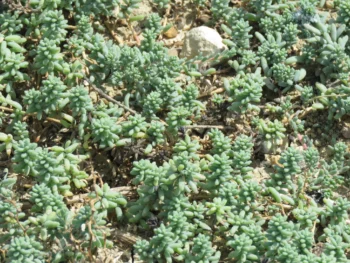
Beach Seepweed: Texas Coast’s Unsung Hero for Salt-Tolerant Gardens
If you’re gardening along the Texas coast and struggling with salty soils that make most plants throw in the towel, let me introduce you to beach seepweed (Suaeda conferta). This tough-as-nails native shrub doesn’t just tolerate coastal conditions—it absolutely thrives in them!
What is Beach Seepweed?
Beach seepweed is a perennial shrub that’s perfectly at home in Texas’s coastal wetlands. This hardy native plant typically grows as a multi-stemmed woody shrub, usually staying under 13-16 feet tall, though it’s often much smaller in garden settings. Don’t let its modest appearance fool you—this plant is a coastal gardening superstar.
You might also see it listed under its synonym Dondia conferta in older gardening references, but Suaeda conferta is the current accepted name.
Where Does Beach Seepweed Call Home?
This resilient shrub is native to the lower 48 states, with its primary home base in Texas. You’ll find it naturally growing along the state’s coastal areas, where it plays a crucial role in salt marsh ecosystems.
- Species observed
- No observations
Why Plant Beach Seepweed in Your Garden?
Here’s where beach seepweed really shines—it’s practically bulletproof in challenging coastal conditions:
- Salt tolerance champion: This plant laughs at salty soils that would kill other shrubs
- Wetland warrior: Classified as an obligate wetland plant, it handles flooding like a pro
- Low maintenance: Once established, it needs minimal care
- Native benefits: Supports local ecosystems and wildlife
- Unique texture: Adds interesting succulent-like foliage to coastal landscapes
Perfect Garden Settings for Beach Seepweed
Beach seepweed isn’t your typical suburban shrub—it has very specific preferences that make it perfect for certain garden types:
- Coastal restoration projects
- Salt marsh gardens
- Wetland landscaping
- Xerophytic (drought-tolerant) gardens with occasional flooding
- Rain gardens in coastal areas
- Living shoreline projects
Growing Conditions and Care
The beauty of beach seepweed lies in its adaptability to harsh conditions that would stress most other plants:
Sunlight: Full sun is best—this plant loves soaking up those coastal rays
Soil: Highly salt-tolerant and prefers wet to occasionally dry saline soils. If your soil tastes like the ocean, this plant will probably love it!
Water: As an obligate wetland species, it handles everything from soggy conditions to periodic dry spells
Climate: Best suited for USDA hardiness zones 9-11, making it perfect for Texas coastal regions
Planting and Care Tips
Getting beach seepweed established is refreshingly straightforward:
- Plant in spring when soil temperatures are warming
- Choose the wettest, saltiest spot in your garden
- Space plants according to your design goals—they can handle crowding
- Water regularly during establishment, then let nature take over
- Minimal pruning needed—this shrub knows how to take care of itself
- No fertilizer necessary in most coastal soils
Wildlife and Pollinator Benefits
While beach seepweed may not be the flashiest pollinator magnet, its small flowers do provide nectar for various coastal insects. More importantly, it serves as crucial habitat and food source for coastal wildlife, particularly birds that depend on salt marsh ecosystems.
Is Beach Seepweed Right for Your Garden?
Beach seepweed is definitely a specialty plant with specific habitat needs. It’s perfect if you’re dealing with:
- Coastal properties with salt spray
- Wetland restoration projects
- Areas with periodic flooding
- Saline soils where other plants struggle
However, if you have typical inland garden conditions with fresh water and well-draining soil, this probably isn’t the shrub for you. Instead, consider other native Texas options better suited to your specific growing conditions.
The Bottom Line
Beach seepweed might not win any beauty contests, but it’s an ecological powerhouse that deserves serious consideration for coastal Texas gardens. If you’re working with challenging salt marsh conditions or want to support native coastal ecosystems, this tough little shrub could be exactly what your landscape needs. Just remember—this is a plant that truly loves living on the edge, quite literally the edge of land and sea!