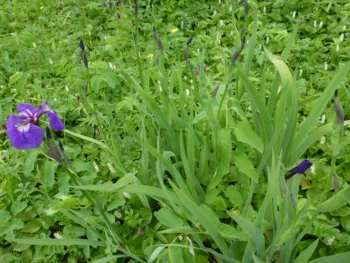
Beachhead Iris: A Hardy Native Beauty for Wet Gardens
If you’re looking for a tough, beautiful native perennial that thrives where other plants struggle, the beachhead iris (Iris setosa) might just be your new gardening best friend. This remarkable wildflower brings stunning blue-violet blooms to some of the most challenging garden spots – those perpetually damp areas that leave many gardeners scratching their heads.
What Makes Beachhead Iris Special?
The beachhead iris is a true native treasure, naturally occurring across a vast range including Alaska, Canada, and several northeastern U.S. states. You’ll find it growing wild from British Columbia to Newfoundland, and south into Maine and New Hampshire. This impressive geographical spread tells you everything you need to know about this plant’s adaptability and hardiness.
- Species observed
- No observations
As a herbaceous perennial forb, beachhead iris lacks woody tissue but makes up for it with incredible resilience. It’s built to last, with perennating buds that hunker down at or below ground level, ready to emerge year after year with minimal fuss from you.
Why You’ll Love Growing Beachhead Iris
This isn’t your typical garden iris – it’s actually much more forgiving! Here’s what makes it a gardener’s dream:
- Stunning flowers: Blue-violet blooms with distinctive white and yellow markings appear in late spring to early summer
- Sword-like foliage: Attractive upright leaves provide structure even when not in bloom
- Pollinator magnet: Bees, butterflies, and other beneficial insects flock to its nectar-rich flowers
- Extremely hardy: Thrives in USDA zones 2-7, handling harsh winters with ease
- Problem-solver: Perfect for those soggy spots where other plants fail
Where to Plant Your Beachhead Iris
This versatile native shines in several garden settings:
- Rain gardens and bioswales
- Bog gardens and water features
- Native plant gardens
- Wildlife gardens
- Naturalized meadow areas
- Cottage garden borders (if kept moist)
Thanks to its facultative wetland status, beachhead iris can handle both wet and moderately dry conditions, though it definitely prefers to keep its feet damp.
Growing Conditions and Care
The beauty of beachhead iris lies in its low-maintenance nature. Here’s what it needs to thrive:
Light: Full sun to partial shade – it’s quite flexible
Soil: Moist to wet soils with poor drainage are actually preferred! Clay soils that stay soggy? Perfect.
Water: Consistent moisture is key. This plant evolved in naturally wet areas, so don’t let it dry out completely.
pH: Tolerates a wide range of soil pH levels
Planting and Care Tips
Getting started with beachhead iris is refreshingly straightforward:
- Timing: Plant rhizomes in spring or fall when temperatures are moderate
- Spacing: Allow 12-18 inches between plants for good air circulation
- Depth: Plant rhizomes just below the soil surface, not deeply buried
- Mulching: A light mulch helps retain moisture and suppress weeds
- Division: Divide clumps every 3-4 years in early spring or fall to maintain vigor
Once established, beachhead iris is remarkably self-sufficient. Just ensure consistent moisture during dry spells, and it’ll reward you with years of reliable blooms.
The Bottom Line
Beachhead iris proves that native plants can be both beautiful and practical. If you have a wet spot in your garden that’s been giving you trouble, or if you’re creating habitat for local wildlife, this hardy native deserves a place in your landscape. Its combination of stunning flowers, pollinator appeal, and bulletproof reliability makes it a winning choice for gardeners who want maximum impact with minimal effort.
Plus, by choosing this native species, you’re supporting local ecosystems and providing familiar habitat for regional wildlife. It’s gardening with purpose – and gorgeous blue flowers are just the bonus!