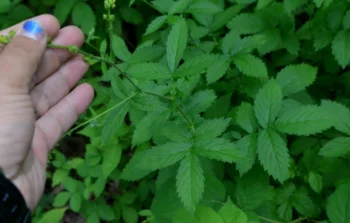
Beaked Agrimony: A Quiet Native Perennial for Woodland Gardens
If you’re looking for a low-key native perennial that won’t demand center stage in your garden, beaked agrimony (Agrimonia rostellata) might just be your perfect supporting cast member. This unassuming woodland plant brings subtle charm and ecological value to naturalized landscapes without requiring a spotlight.
What is Beaked Agrimony?
Beaked agrimony is a native perennial forb that grows throughout much of the eastern and central United States. As a member of the rose family, this herbaceous plant reaches about 2-3 feet tall with an upright, single-stem growth form. Don’t expect dramatic garden presence – this is a plant that whispers rather than shouts.
The plant gets its name from the distinctive beak on its small fruits, though you’re more likely to notice its compound leaves with serrated leaflets and slender spikes of tiny yellow flowers that bloom during summer months.
Where Does It Grow Naturally?
This adaptable native thrives across an impressive range, naturally occurring in 30 states from Maine to Florida and west to Texas, Kansas, and Minnesota. You’ll find it growing in a variety of habitats, from woodland edges to open areas, demonstrating its flexibility as a garden plant.
- Species observed
- No observations
Why Consider Beaked Agrimony for Your Garden?
While beaked agrimony won’t win any beauty contests, it offers several compelling reasons to include it in the right garden setting:
- Native credentials: Supporting local ecosystems with a plant that belongs here
- Low maintenance: Once established, it largely takes care of itself
- Adaptable: Tolerates various moisture conditions and partial shade
- Wildlife support: Small flowers provide nectar for beneficial insects and pollinators
- Naturalized appeal: Perfect for creating authentic woodland garden settings
Ideal Garden Settings
Beaked agrimony shines in naturalized and woodland garden settings where its modest appearance feels at home. Consider it for:
- Shade to partial shade gardens
- Native plant collections
- Woodland edge plantings
- Naturalized meadow areas
- Low-maintenance landscape zones
This isn’t a plant for formal borders or high-impact displays – think of it as the botanical equivalent of a reliable character actor who makes every scene better without stealing the show.
Growing Conditions and Care
One of beaked agrimony’s best qualities is its easygoing nature. Here’s what it prefers:
- Light: Partial shade to dappled sunlight
- Soil: Adaptable to coarse and medium-textured soils with good drainage
- pH: Tolerates acidic to neutral soils (4.5-7.0)
- Moisture: Medium moisture levels; avoid constantly wet conditions
- Hardiness: Zones 3-9, handling temperatures down to -33°F
The plant has low fertility requirements and moderate drought tolerance once established, though it prefers consistent moisture during its growing season.
Planting and Propagation
Starting beaked agrimony requires patience, but the process is straightforward:
- From seed: The primary propagation method, though seeds are small (250,000 per pound!)
- Timing: Plant seeds in fall for natural stratification or start indoors in late winter
- Germination: Expect moderate seedling vigor and slow initial spread
- Bare root: Possible but less common propagation method
Commercial availability is limited, so you may need to source seeds from native plant societies or specialty suppliers.
Maintenance and Long-term Care
Once established, beaked agrimony is refreshingly low-maintenance. The plant has a moderate growth rate and lifespan, requiring minimal intervention. It doesn’t spread aggressively, won’t need frequent division, and generally stays put where you plant it.
The foliage dies back in winter (it’s deciduous), emerging fresh each spring for another season of quiet garden contribution.
The Bottom Line
Beaked agrimony isn’t for gardeners seeking instant drama or show-stopping blooms. However, if you’re creating naturalized spaces, supporting native wildlife, or simply appreciate plants that do their job without fuss, this humble perennial deserves consideration. It’s the kind of plant that makes a garden feel authentic and established – not flashy, but fundamentally right.
Consider beaked agrimony when you want to add native character to woodland areas or create habitat without high-maintenance demands. Sometimes the best garden plants are the ones that simply belong.