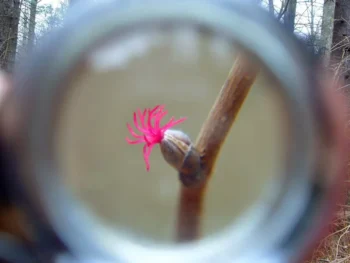
Beaked Hazelnut: A Native Treasure for Your Woodland Garden
If you’re looking for a native shrub that’s both beautiful and beneficial, let me introduce you to the beaked hazelnut (Corylus cornuta var. cornuta). This delightful North American native might just become your new favorite addition to the landscape – and trust me, the wildlife will thank you for it!
What Makes Beaked Hazelnut Special?
The beaked hazelnut is a true native success story. This perennial shrub calls both Canada and the lower 48 states home, with an impressive range that spans from coast to coast. You’ll find this adaptable beauty growing naturally from Alberta to Newfoundland in Canada, and from Washington state all the way down to Georgia and South Carolina in the United States.
- Species observed
- No observations
As a multi-stemmed woody shrub, beaked hazelnut typically reaches 4-5 meters (13-16 feet) in height, though it can sometimes grow taller or remain more compact depending on growing conditions. Its several stems arise from near the ground, creating an attractive, naturalized appearance that fits perfectly into woodland settings.
Why Your Garden (and Local Wildlife) Will Love It
There’s so much to appreciate about beaked hazelnut! In early spring, before the leaves emerge, this shrub puts on quite a show with its dangling catkins. These elongated flower clusters aren’t just pretty – they’re an important early-season pollen source for bees and other beneficial insects when few other flowers are available.
The real magic happens later in the season when the distinctive beaked nuts develop. These edible nuts are enclosed in a papery husk that extends into a long, narrow beak – hence the common name. Wildlife absolutely loves these nutritious treats, making beaked hazelnut a fantastic choice for anyone wanting to support local ecosystems.
Perfect Garden Applications
Beaked hazelnut shines in several garden scenarios:
- Woodland and naturalized gardens where it can mingle with other native plants
- Wildlife habitat gardens focused on supporting local fauna
- Mixed shrub borders where it provides texture and seasonal interest
- Erosion control on slopes thanks to its robust root system
- Screening and privacy plantings in informal settings
Growing Beaked Hazelnut Successfully
One of the best things about beaked hazelnut is how accommodating it is! This native thrives in USDA hardiness zones 2-8, making it suitable for a wide range of climates across North America.
Light Requirements: Beaked hazelnut is quite flexible when it comes to light. It performs well in partial shade to full sun, though it particularly appreciates the dappled light conditions found in woodland edges.
Soil Preferences: This adaptable shrub tolerates various soil types but prefers moist, well-drained soil. It’s not overly fussy about soil pH and can handle both slightly acidic and neutral conditions.
Planting and Care Tips
Getting your beaked hazelnut established is refreshingly straightforward:
- Plant in spring or fall when temperatures are moderate
- Dig a hole twice as wide as the root ball but no deeper
- Apply a 2-3 inch layer of organic mulch around the base, keeping it away from the stem
- Water regularly the first year to help establish the root system
- Once established, it’s quite drought tolerant and requires minimal maintenance
The beauty of native plants like beaked hazelnut is that they’re naturally adapted to local conditions. This means less work for you and more success in the garden!
A Note on Names
You might occasionally see beaked hazelnut referred to by its synonym, Corylus rostrata, in older gardening references. Don’t let this confuse you – it’s the same wonderful plant!
The Bottom Line
Beaked hazelnut represents everything we love about native plants: it’s beautiful, beneficial, and remarkably easy to grow. Whether you’re creating a woodland retreat, supporting local wildlife, or simply wanting a low-maintenance shrub with year-round appeal, this North American native delivers on all fronts. Plus, there’s something deeply satisfying about growing a plant that truly belongs in your local landscape – it’s gardening in harmony with nature at its finest!