Beaked Skeletonweed: A Delicate Prairie Native for Wildflower Gardens
If you’re looking to add authentic prairie charm to your garden, beaked skeletonweed (Shinnersoseris rostrata) might just be the understated wildflower you’ve been searching for. Don’t let the somewhat ominous common name fool you – this delicate annual forb brings a subtle beauty to native plant gardens across the Great Plains and beyond.
What Is Beaked Skeletonweed?
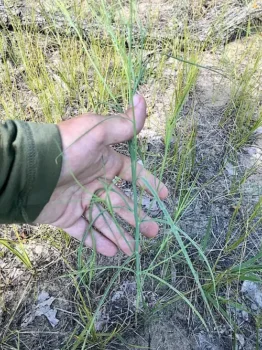
Beaked skeletonweed is a native North American annual that belongs to the sunflower family. As a forb, it’s an herbaceous plant without woody stems, producing small yellow composite flowers on slender, branched stems. The plant gets its skeleton moniker from its thin, almost wiry appearance, while the beaked part refers to the shape of its seed heads.
You might also encounter this plant under its former scientific name, Lygodesmia rostrata, as botanical classifications have evolved over time.
Where Does It Grow Naturally?
This prairie native has an impressive range across central North America, thriving in both Canada and the lower 48 states. You’ll find wild populations flourishing in Alberta, Manitoba, Saskatchewan, Colorado, Iowa, Kansas, Minnesota, Nebraska, North Dakota, Oklahoma, South Dakota, Texas, Utah, and Wyoming.
- Species observed
- No observations
Why Grow Beaked Skeletonweed?
While beaked skeletonweed might not win any flashy flower contests, it offers several compelling reasons to include it in your native garden:
- True native credentials: Supporting local ecosystems by growing plants that naturally belong in your region
- Pollinator support: The small yellow flowers attract native bees and other beneficial insects
- Low maintenance: Once established, this drought-tolerant annual requires minimal care
- Prairie authenticity: Perfect for creating genuine grassland and prairie garden settings
- Self-sustaining: Will readily self-sow for future seasons
Garden Design and Landscape Role
Beaked skeletonweed shines in naturalized settings where its delicate, airy texture can complement showier prairie plants. It’s ideal for:
- Prairie restoration projects
- Wildflower meadows
- Xeriscapes and drought-tolerant gardens
- Native plant demonstrations
- Naturalized areas where you want authentic regional flora
Think of it as a supporting cast member rather than the star – it provides texture and fills in gaps between more prominent prairie plants like coneflowers and native grasses.
Growing Conditions and Care
One of beaked skeletonweed’s best qualities is its easygoing nature. This hardy annual thrives in USDA zones 3-8 and prefers:
- Sunlight: Full sun exposure for best growth and flowering
- Soil: Well-draining soils; adapts to various soil types including clay and sandy soils
- Water: Drought tolerant once established; avoid overwatering
- Fertilizer: None needed – native plants prefer lean soils
Planting and Propagation Tips
Growing beaked skeletonweed is refreshingly straightforward:
- From seed: Direct sow seeds in fall or early spring when soil temperatures are cool
- Germination: Seeds need a cold stratification period, which winter naturally provides
- Spacing: Allow plants room to develop their branched structure
- Self-sowing: Let some plants go to seed for natural propagation next season
- Establishment: First-year plants focus on root development; flowering improves in subsequent self-sown generations
Wildlife and Ecological Benefits
While beaked skeletonweed might look delicate, it pulls its weight ecologically. The flowers provide nectar for small native bees, beneficial wasps, and other pollinators that are often overlooked but crucial for ecosystem health. As a native annual, it also contributes to the complex web of relationships that support regional wildlife.
Is Beaked Skeletonweed Right for Your Garden?
Consider beaked skeletonweed if you’re passionate about native plants, creating authentic prairie gardens, or supporting local ecosystems with minimal effort. It’s particularly valuable for gardeners in the Great Plains region who want to showcase their area’s natural heritage.
However, if you’re looking for bold, showy flowers or need plants for formal garden settings, you might want to pair this subtle beauty with more dramatic native companions or choose different focal plants altogether.
With its delicate charm and ecological value, beaked skeletonweed proves that sometimes the most unassuming plants make the most meaningful contributions to our gardens and local environments.