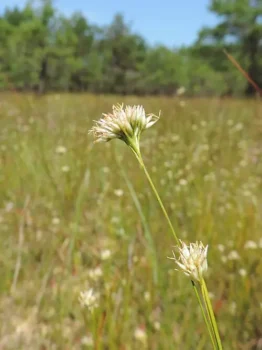
Beaksedge: The Unsung Hero of Wetland Gardens
If you’ve ever wandered through a marsh or wetland area, chances are you’ve encountered beaksedge (Rhynchospora) without even realizing it. This humble sedge might not win any beauty contests, but don’t let its modest appearance fool you – beaksedge is a powerhouse when it comes to supporting local ecosystems and solving tricky gardening challenges.
What Exactly Is Beaksedge?
Beaksedge belongs to the sedge family (Cyperaceae), making it a grass-like plant that’s perfectly adapted to life in wet places. Unlike true grasses, sedges have triangular stems and tend to be much happier with their feet wet. The name beaksedge comes from the distinctive beak-like appendage on their seeds – nature’s way of adding a little character to an otherwise understated plant.
This native beauty can be either annual or perennial, depending on the specific species in your area. What they all share is that characteristic grass-like growth habit and an impressive ability to thrive where other plants might throw in the towel.
Where Does Beaksedge Call Home?
Talk about a well-traveled plant! Beaksedge has an incredibly impressive native range that spans from the frozen landscapes of Alaska all the way down to the sunny shores of Florida. You’ll find various species native throughout Canada, across all the lower 48 states, and even in some Pacific territories and the U.S. Virgin Islands. This widespread distribution includes everywhere from Alberta and British Columbia to Texas and Maine – making it one of North America’s most geographically diverse native plants.
- Species observed
- No observations
Why Your Garden Might Love Beaksedge
Here’s where beaksedge really shines – it’s the ultimate problem-solver for challenging garden spots. Got a soggy area where nothing else will grow? Beaksedge to the rescue! This plant absolutely thrives in:
- Rain gardens and bioswales
- Pond edges and water features
- Naturally wet or poorly drained areas
- Native plant restoration projects
- Low-maintenance naturalized landscapes
While beaksedge might not have the flashy blooms of a wildflower, it brings its own subtle charm to the landscape. The grass-like foliage creates nice texture, and the small clustered flowers and distinctive seed heads add visual interest throughout the growing season. It’s particularly lovely when planted in drifts or allowed to naturalize in appropriate settings.
The Wildlife Connection
Don’t underestimate this quiet achiever when it comes to supporting local wildlife. Beaksedge provides important habitat and food sources for various creatures. Small insects rely on the flowers for pollen and nectar, while the seeds are a valuable food source for waterfowl and many songbird species. If you’re trying to create a garden that truly supports your local ecosystem, beaksedge deserves a spot on your plant list.
Growing Beaksedge Successfully
The good news about beaksedge is that it’s refreshingly easy to grow – as long as you can meet its one main requirement: moisture. This plant is happiest with consistently moist to wet soil conditions and can even handle seasonal flooding that would kill most other plants.
Beaksedge adapts well to full sun or partial shade, though it tends to be most vigorous in sunnier locations. It’s generally hardy across a wide range of USDA zones (typically 3-10, depending on the specific species), making it suitable for most North American gardens.
Planting and Care Tips
Getting started with beaksedge is straightforward:
- Choose a naturally moist or wet location in your garden
- Plant in spring or early fall for best establishment
- Ensure consistent moisture – this plant does not tolerate drought
- Allow space for natural spreading and self-seeding
- Minimal fertilization needed – these plants are adapted to naturally occurring soil conditions
Once established, beaksedge is remarkably low-maintenance. It will often self-seed and spread naturally, creating beautiful naturalized colonies over time. This makes it perfect for gardeners who prefer a hands-off approach to landscaping.
Is Beaksedge Right for Your Garden?
Beaksedge is an excellent choice if you’re dealing with wet or poorly drained areas, want to support local wildlife, or are interested in native plant gardening. It’s particularly valuable for rain gardens and wetland restoration projects.
However, this probably isn’t the plant for you if you’re looking for showy flowers or have a strictly formal garden design. Beaksedge is all about natural beauty and ecological function rather than ornamental impact.
For native plant enthusiasts and anyone dealing with challenging wet areas in their landscape, beaksedge offers an authentic, low-maintenance solution that benefits both your garden and local wildlife. Sometimes the most valuable plants are the ones that work quietly behind the scenes – and beaksedge is definitely one of those unsung heroes.