Bear Tupelo: A Rare Florida Native Worth Protecting in Your Garden
Meet the bear tupelo (Nyssa ursina), one of Florida’s most elusive native shrubs that deserves a spot in every conservation-minded gardener’s heart. This uncommon member of the tupelo family offers unique beauty while supporting local ecosystems, but there’s an important conservation story you need to know before adding it to your landscape.
What Makes Bear Tupelo Special
Bear tupelo is a charming native shrub that typically grows as a multi-stemmed woody plant, usually staying under 13-16 feet tall. What sets this perennial apart from its more famous tree relatives is its compact, shrubby growth habit and its incredibly limited natural range.
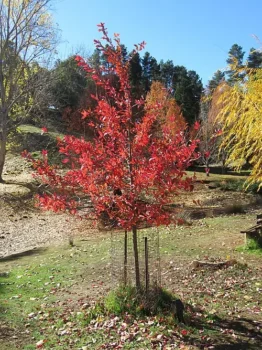
Also known scientifically as Nyssa ursina (formerly classified as Nyssa sylvatica var. ursina), this plant puts on quite a show with its simple, alternate leaves that transform into brilliant shades of red and orange each fall. The small, inconspicuous flowers may not steal the spotlight, but they’re followed by attractive dark blue drupes that add seasonal interest.
A Rare Florida Treasure
Here’s where things get serious: bear tupelo is found only in Florida, making it a true endemic species. Its distribution is extremely limited, confined primarily to the Florida Panhandle region.
- Species observed
- No observations
Important Conservation Alert: Bear tupelo has a Global Conservation Status of S2, meaning it’s classified as Imperiled. This designation indicates the species is at risk due to extreme rarity, with typically only 6 to 20 known occurrences and an estimated 1,000 to 3,000 individual plants remaining in the wild. This makes bear tupelo especially vulnerable to extinction.
Should You Plant Bear Tupelo?
The short answer is yes, but with a crucial caveat: only plant bear tupelo if you can source it responsibly. Never collect plants from wild populations, as this could further threaten the species’ survival. Instead, work with reputable native plant nurseries that propagate bear tupelo from ethically sourced seeds or cuttings.
By growing bear tupelo in your garden, you’re participating in conservation efforts and helping preserve Florida’s botanical heritage. Plus, you’ll be rewarded with:
- Spectacular fall color that rivals any non-native ornamental
- Support for native pollinators through its small but nectar-rich flowers
- Wildlife habitat and food sources via its dark blue fruits
- A unique conversation piece that showcases Florida’s rare botanical treasures
Perfect Garden Situations
Bear tupelo thrives in native plant gardens, conservation collections, and naturalistic landscapes. It’s particularly well-suited for:
- Wetland margins and bog gardens
- Native plant demonstrations
- Educational landscapes focused on rare species
- Rain gardens and bioswales
Growing Conditions and Care
Bear tupelo is adapted to USDA hardiness zones 8-9, making it suitable for most of Florida and similar climates. Here’s what this rare beauty needs to thrive:
Light: Partial shade to full sun, though it appreciates some afternoon shade in hotter climates
Soil: Moist to wet, acidic soils with plenty of organic matter. Think swampy conditions rather than desert-dry!
Water: Consistent moisture is key. This isn’t a drought-tolerant plant, so be prepared to water during dry spells
Maintenance: Minimal pruning needed. Let it develop its natural shrubby form
Planting and Care Tips
When planting your responsibly-sourced bear tupelo:
- Amend clay soils with compost or leaf mold to improve drainage while maintaining moisture retention
- Plant in spring or early fall when temperatures are moderate
- Mulch around the base to retain moisture and suppress weeds
- Water regularly during the first growing season to establish a strong root system
- Avoid fertilizing heavily – native plants prefer lean, natural soil conditions
Supporting Pollinators and Wildlife
While bear tupelo’s flowers are small and subtle, they’re valuable to various native pollinators including small bees and flies. The dark blue fruits that follow provide food for birds and other wildlife, making your garden a mini wildlife refuge.
The Bottom Line
Bear tupelo represents both an opportunity and a responsibility. By choosing to grow this rare native shrub, you’re making a statement about conservation while adding genuine Florida character to your landscape. Just remember: source responsibly, plant with care, and take pride in knowing you’re helping protect one of the state’s botanical rarities.
Your garden can be more than beautiful – it can be a sanctuary for Florida’s irreplaceable native plants. Bear tupelo is waiting to prove that rare doesn’t mean difficult, just precious.