Bear Valley Buckwheat: A Rare California Native Worth Growing Responsibly
If you’re passionate about native California gardening and supporting local ecosystems, Bear Valley buckwheat (Eriogonum ursinum) might just be the perfect addition to your drought-tolerant landscape. This charming perennial herb brings both beauty and ecological value to gardens, though its rarity makes it a plant that deserves special consideration.
Meet the Bear Valley Buckwheat
Bear Valley buckwheat is a true California native, found exclusively in the Golden State. As a member of the buckwheat family, this perennial forb lacks woody tissue above ground but makes up for it with its persistent charm and resilience. Unlike trees or shrubs, this herbaceous plant emerges fresh each growing season from buds located at or below the soil surface.
Where Does It Call Home?
This special buckwheat species is endemic to California, with its natural habitat concentrated in specific mountainous regions. Its limited geographic distribution makes it a true regional treasure, perfectly adapted to California’s unique climate and soil conditions.
- Species observed
- No observations
Why Your Garden (and Local Wildlife) Will Love It
Bear Valley buckwheat offers several compelling reasons to include it in your native plant palette:
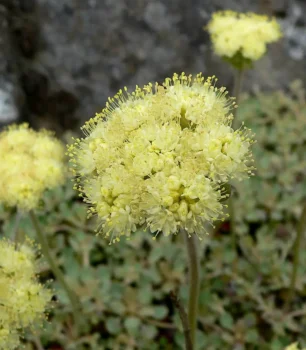
- Pollinator magnet: The clusters of small white to pinkish flowers are irresistible to native bees, butterflies, and other pollinators
- Drought champion: Once established, this California native thrives with minimal water, making it perfect for water-wise landscaping
- Low maintenance: As a native species, it requires little fussing once settled in
- Unique beauty: The silvery-green foliage and delicate flower clusters add subtle elegance to any garden
Perfect Garden Roles
Bear Valley buckwheat shines in several landscape applications:
- Rock gardens where its compact form complements stones and other alpine plants
- Xeric gardens designed for water conservation
- Native California plant collections
- Wildlife habitat gardens focused on supporting local pollinators
- Ground cover in well-draining areas
Growing Conditions That Make It Happy
Success with Bear Valley buckwheat comes down to mimicking its natural mountain habitat:
- Sunlight: Full sun exposure is essential for healthy growth and flowering
- Soil: Well-draining, sandy or rocky soils prevent root rot and encourage robust growth
- Water: Drought-tolerant once established, requiring minimal supplemental irrigation
- Climate: Thrives in USDA hardiness zones 7-10
Planting and Care Tips
Getting your Bear Valley buckwheat off to a great start is straightforward with these guidelines:
- Timing: Plant in fall to give roots time to establish before summer heat
- Soil preparation: Ensure excellent drainage by amending heavy soils with sand or gravel
- Watering: Provide regular water during the first growing season, then reduce significantly
- Fertilizing: Skip the fertilizer – native plants prefer lean soils
- Maintenance: Minimal pruning needed; simply remove spent flowers if desired
An Important Conservation Note
Here’s something every responsible gardener should know: Bear Valley buckwheat has a conservation status that indicates some level of concern for its wild populations. While this makes it even more valuable for native gardens, it’s crucial to source your plants responsibly.
Always purchase from reputable native plant nurseries that propagate their stock rather than collecting from wild populations. Better yet, look for nurseries that specifically support conservation efforts for rare California natives. By choosing responsibly sourced plants, you’re not just beautifying your garden – you’re actively participating in conservation.
The Bottom Line
Bear Valley buckwheat represents the best of California native gardening: it’s beautiful, drought-tolerant, wildlife-friendly, and deeply connected to local ecosystems. While its rarity status means we need to be thoughtful about sourcing, growing this special plant in your garden can contribute to its conservation while providing you with a truly unique and low-maintenance addition to your landscape.
Whether you’re creating a dedicated native plant garden or simply want to add more water-wise plants to your existing landscape, Bear Valley buckwheat offers a perfect blend of ecological function and quiet beauty that exemplifies the best of California’s native flora.