Bear Valley Sandwort: A Rare Alpine Gem Worth Protecting
Meet Bear Valley sandwort (Arenaria ursina), one of California’s most precious and endangered wildflowers. This tiny alpine beauty might be small in stature, but it’s huge in conservation importance. If you’re drawn to rare native plants and specialized alpine gardening, this perennial deserves your attention – and your respect.
What Makes Bear Valley Sandwort Special?
Bear Valley sandwort is a perennial plant that’s as exclusive as it gets. Also known by its scientific synonym Eremogone ursina, this little charmer is native to the lower 48 states but has an incredibly limited range that makes it one of California’s botanical treasures.
What sets this plant apart isn’t just its rarity – it’s also a true alpine specialist that has adapted to some pretty harsh mountain conditions. Think of it as the mountain climber of the plant world, thriving where most other plants would throw in the towel.
Where in the World Can You Find It?
Here’s where things get really interesting (and a bit concerning): Bear Valley sandwort is found only in California, specifically in the Bear Valley area of the San Bernardino Mountains. We’re talking about an incredibly small geographic footprint for this species.
- Species observed
- No observations
The Conservation Reality Check
Before we dive into growing tips, let’s talk about the elephant in the room. Bear Valley sandwort has a Global Conservation Status of S1, which means it’s critically imperiled. In plain English? This plant is in serious trouble, with typically 5 or fewer occurrences and very few remaining individuals (less than 1,000). It’s also listed as Threatened in the United States.
What this means for gardeners: If you’re considering adding this plant to your collection, you absolutely must source it responsibly. Never collect from the wild, and only purchase from reputable native plant nurseries that propagate their own stock ethically.
Growing Bear Valley Sandwort: Not for the Faint of Heart
Let’s be honest – growing Bear Valley sandwort is like trying to recreate a slice of the high Sierra Nevada in your backyard. It’s possible, but it requires dedication and the right conditions.
Ideal Growing Conditions
- High-elevation alpine environment preferences
- Excellent drainage (think rocky, gravelly soil)
- Cool temperatures year-round
- Protection from extreme heat
- USDA Hardiness Zones 6-8 (high elevation specialists)
Garden Role and Design Ideas
This isn’t your typical border plant. Bear Valley sandwort shines in:
- Specialized alpine gardens
- Rock gardens with excellent drainage
- Conservation collections
- Cool, protected microclimates
Aesthetic Appeal: Small but Mighty
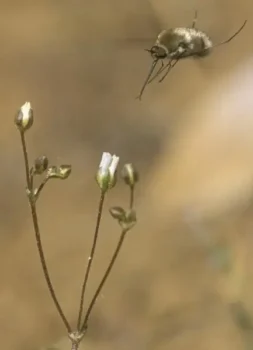
Don’t expect dramatic, showy blooms. Bear Valley sandwort produces small white flowers that are delicate and charming rather than bold. It typically forms low, cushion-like mounds that hug the ground – a classic alpine growth pattern that helps it survive harsh mountain conditions.
Supporting Pollinators
While small, the flowers of Bear Valley sandwort do provide nectar for tiny native pollinators, including small bees and flies that are adapted to alpine conditions. Every little bit helps in supporting our native pollinator populations!
The Bottom Line
Bear Valley sandwort represents both an incredible opportunity and a serious responsibility. If you’re an experienced alpine gardener with the right conditions and a commitment to conservation, growing this rare beauty can be rewarding. However, it’s not a plant for casual gardening.
Remember: only source from reputable nurseries, never collect from the wild, and consider this plant a conservation effort as much as a gardening project. Sometimes the most beautiful gardens are the ones that help preserve our rarest native species for future generations.
If Bear Valley sandwort proves too challenging or unavailable, consider other California native alpine plants that can give you that mountain meadow feel while being more accessible to grow.