Bearbrush: The Unsung Hero of Pacific Coast Gardens
If you’re looking for a low-maintenance, drought-tolerant shrub that offers year-round interest and supports local wildlife, let me introduce you to bearbrush (Garrya fremontii). This native Pacific Coast gem might not have the flashiest name, but it’s definitely earned its place in the spotlight for savvy gardeners who appreciate plants that work hard without asking for much in return.
What Makes Bearbrush Special?
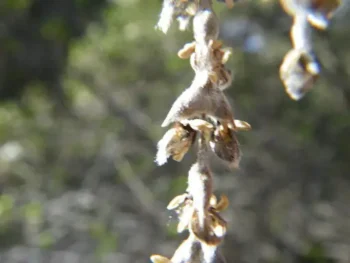
Bearbrush is a perennial evergreen shrub that typically grows as a multi-stemmed woody plant, usually reaching heights of 13-16 feet, though it can sometimes stretch taller depending on growing conditions. What really sets this plant apart is its unique flowering display – distinctive drooping clusters of small flowers called catkins that appear in winter and early spring, creating an almost curtain-like effect that’s both elegant and unusual.
The foliage is equally attractive, featuring leathery, oval-shaped leaves that are glossy dark green on top with lighter undersides. This creates a lovely two-toned effect when the wind catches the branches, adding movement and visual interest to your landscape even when the plant isn’t in bloom.
Where Bearbrush Calls Home
This native beauty is indigenous to the Pacific Coast states of California, Oregon, and Washington, where it naturally thrives in chaparral and oak woodland environments. Being native to these regions means it’s perfectly adapted to local climate conditions and plays an important role in supporting regional ecosystems.
- Species observed
- No observations
Why Your Garden (and Local Wildlife) Will Love It
Bearbrush is like that reliable friend who’s always there when you need them. Here’s why gardeners are falling in love with this unassuming shrub:
- Early pollinator support: Those winter and early spring catkins provide crucial nectar when few other plants are flowering, making it a lifeline for bees and other pollinators emerging from winter
- Drought tolerance: Once established, bearbrush can handle dry conditions like a champ, making it perfect for water-wise gardening
- Low maintenance: This is definitely a plant it and forget it kind of shrub that doesn’t demand constant attention
- Wildlife habitat: Native birds and other wildlife depend on plants like bearbrush for food and shelter
- Erosion control: Its root system makes it excellent for stabilizing slopes
Where Bearbrush Shines in Your Landscape
Bearbrush works beautifully in several garden styles and situations:
- Mediterranean gardens: Its drought tolerance and evergreen nature make it a natural fit
- Native plant gardens: Obviously perfect for supporting local ecosystems
- Xeriscapes: Thrives in low-water landscapes
- Naturalistic plantings: Provides excellent backdrop for showier plants
- Slopes and hillsides: Great for erosion control and challenging sites
Growing Bearbrush Successfully
The good news is that bearbrush is remarkably easy to grow if you give it the right conditions from the start.
Climate considerations: Bearbrush is hardy in USDA zones 8-10, making it suitable for most Pacific Coast gardens and other areas with similar mild climates.
Light and soil needs: This adaptable shrub does well in full sun to partial shade and isn’t particularly fussy about soil type, as long as it drains well. Like many Mediterranean-climate plants, it absolutely hates soggy feet, so good drainage is non-negotiable.
Planting and Care Tips
When to plant: Fall is the ideal planting time, giving the roots time to establish before the next growing season.
Getting started: Water regularly during the first year to help establish a strong root system. After that, bearbrush becomes quite drought tolerant and typically needs only occasional deep watering during extended dry periods.
Maintenance: Here’s where bearbrush really shines – it needs very little ongoing care. Pruning is minimal; just remove any dead or damaged branches as needed. The plant has a naturally attractive form, so heavy pruning isn’t necessary.
Is Bearbrush Right for Your Garden?
Bearbrush is an excellent choice if you’re looking for a reliable, low-maintenance shrub that supports local wildlife while providing year-round interest. It’s particularly valuable for gardeners in its native range who want to create sustainable, water-wise landscapes that work with nature rather than against it.
Keep in mind that this isn’t a flashy plant – its beauty lies in its subtle elegance and ecological value rather than showy blooms or dramatic foliage. If you appreciate plants that offer quiet beauty while doing important environmental work, bearbrush might just become one of your favorite garden companions.
Consider adding bearbrush to your landscape if you want a dependable native plant that supports pollinators, requires minimal water once established, and provides structure and backdrop for your garden year-round. Your local wildlife will thank you, and you’ll have one less plant to worry about in your garden maintenance routine.