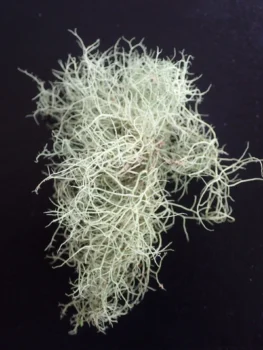
Beard Lichen: The Mysterious Air Quality Guardian in Your Garden
Have you ever noticed those wispy, gray-green strands hanging from tree branches and wondered what they are? Meet beard lichen (Usnea cornuta), one of nature’s most fascinating and useful organisms that might already be calling your garden home without you even realizing it!
What Exactly Is Beard Lichen?
Beard lichen isn’t actually a plant at all – it’s a remarkable partnership between a fungus and algae living together in perfect harmony. This symbiotic relationship creates those distinctive branching, beard-like structures that dangle gracefully from tree bark. Think of it as nature’s own collaboration project, where each partner brings something valuable to the table.
Also known by its scientific name Usnea cornuta (and sometimes listed as Usnea inflata), this native North American species has been quietly doing important work in our ecosystems for centuries.
Where You’ll Find This Natural Wonder
Beard lichen is native to North America and can be found across various regions where air quality remains relatively pristine. It’s particularly fond of areas with moderate to high humidity and clean air – which is actually one of its most valuable characteristics.
Is Beard Lichen Beneficial for Your Garden?
Absolutely! Here’s why you should be thrilled to discover beard lichen in your outdoor space:
- Air Quality Indicator: Beard lichen is incredibly sensitive to air pollution, so its presence is like having a natural air quality monitor – if it’s thriving, your air is clean!
- Ecosystem Health: It contributes to overall biodiversity and ecosystem balance
- Natural Beauty: Adds an ethereal, mystical quality to mature trees and woodland gardens
- Wildlife Habitat: Provides nesting material and shelter for small creatures
- No Harm to Trees: Despite growing on tree bark, it doesn’t damage or parasitize its host trees
How to Identify Beard Lichen
Spotting beard lichen is easier than you might think once you know what to look for:
- Appearance: Long, branching, stringy growths that hang from tree branches like a wizard’s beard
- Color: Pale greenish-gray to whitish-gray
- Texture: Soft and somewhat elastic when moist, brittle when dry
- Location: Grows on the bark of trees, particularly hardwoods like oaks and maples
- Structure: Highly branched with a main trunk and numerous smaller branches
What Does Beard Lichen Mean for Your Garden?
If you discover beard lichen growing naturally in your garden, consider yourself lucky! It’s a sign that:
- Your local air quality is good to excellent
- Your garden ecosystem is healthy and balanced
- You have mature trees that provide suitable habitat
- The humidity levels in your area support diverse life forms
Can You Encourage Beard Lichen Growth?
Unlike traditional plants, you can’t simply plant beard lichen from seeds or cuttings. Instead, it establishes naturally where conditions are right. However, you can create a welcoming environment:
- Maintain mature trees with textured bark
- Avoid using chemical pesticides and air pollutants
- Support local air quality improvement efforts
- Keep your garden as natural and chemical-free as possible
- Be patient – lichen growth is incredibly slow
A Living Testament to Clean Air
Beard lichen serves as a living reminder of the interconnectedness of our environment. Its presence tells a story of clean air, healthy ecosystems, and the quiet magic that happens when we give nature space to thrive. While you can’t plant it like a typical garden flower, you can certainly appreciate and protect this remarkable organism if it graces your trees with its presence.
Next time you’re walking through your garden or a wooded area, take a moment to look up. Those mysterious, wispy strands hanging from the branches aren’t just decorative – they’re nature’s own air quality certificates, silently working to make your world a little bit more magical and a lot more healthy.